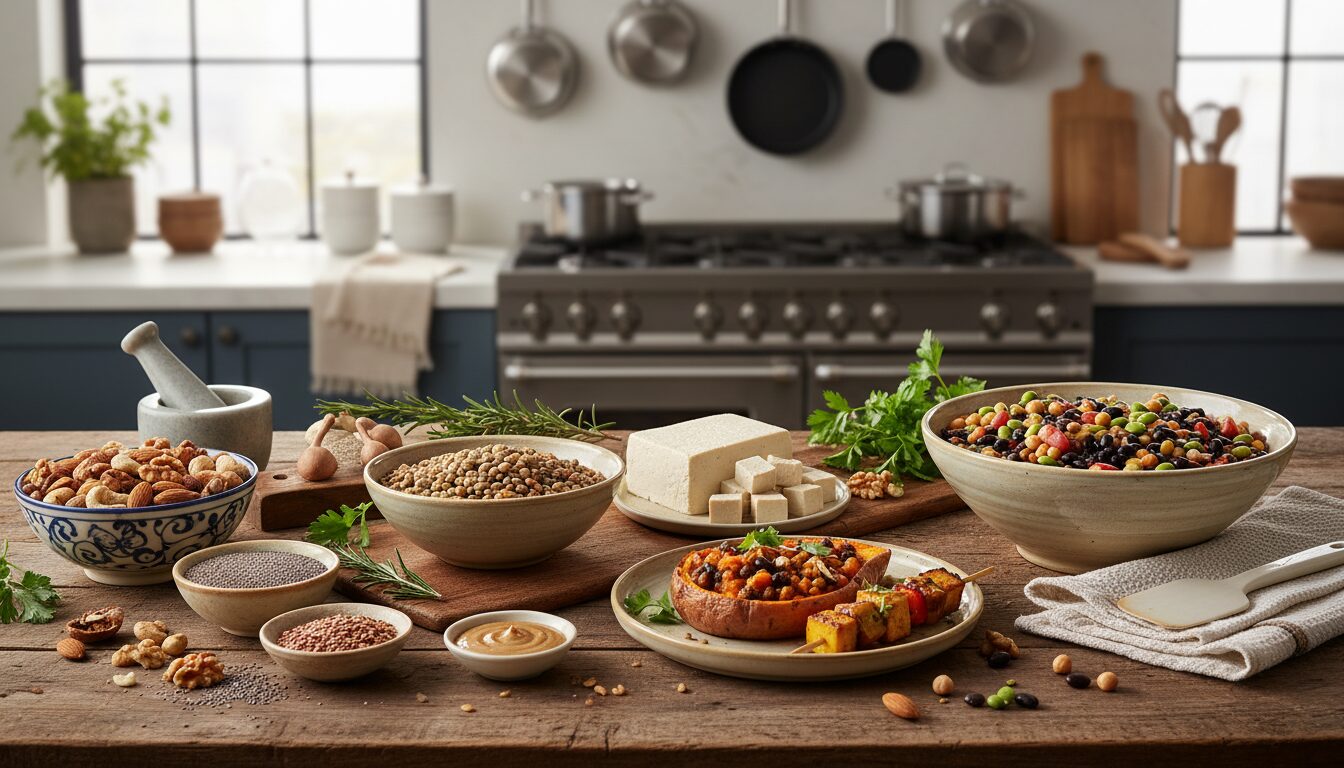
Plant-based cooking has evolved dramatically, and in 2026, achieving high-protein meals without animal products is easier and more delicious than ever. Whether you’re a committed vegan, vegetarian, or simply looking to reduce your meat consumption, understanding the best plant-based protein sources will transform your kitchen and your health.
Table of Contents
- Why Plant-Based Proteins Matter in Modern Cooking
- Legumes: The Protein Powerhouses
- Soy Products: Versatile Protein Champions
- Nuts and Seeds: Concentrated Protein Sources
- Whole Grains with Protein Profiles
- Nutritional Yeast and Plant-Based Innovations
- Practical Tips for High-Protein Plant-Based Cooking
Why Plant-Based Proteins Matter in Modern Cooking
The shift toward plant-based diets continues to accelerate in 2026. More home cooks are discovering that plant-based proteins aren’t just nutritious—they’re incredibly versatile and flavorful when prepared correctly. Plant-based proteins offer numerous benefits: they’re typically lower in saturated fat, rich in fiber, and often more sustainable than animal proteins.
For high-protein cooking, you need sources that deliver substantial protein content while maintaining culinary appeal. The good news? There are more options than ever before, including innovative plant-based protein substitutes for traditional meat dishes that can seamlessly replace animal proteins in your favorite recipes.
Legumes: The Protein Powerhouses
Lentils
Lentils remain one of the most reliable plant-based protein sources available. A single cup of cooked lentils contains approximately 18 grams of protein, making them ideal for building hearty, satisfying meals. In 2026, lentils have become a staple in contemporary kitchens for good reason.
Red lentils cook quickly and create creamy textures perfect for soups and curries. Green and brown lentils maintain their shape better, making them excellent for salads and grain bowls. Black lentils (beluga lentils) offer an earthy flavor that pairs beautifully with roasted vegetables.
Chickpeas
Chickpeas deliver approximately 15 grams of protein per cooked cup and work in both savory and sweet applications. Roasted chickpeas make excellent crunchy snacks, while blended chickpeas create creamy hummus and pasta sauces. In 2026, chickpea flour has gained tremendous popularity among home cooks experimenting with plant-based baking and binding agents.
Black Beans
Black beans provide roughly 15 grams of protein per cooked cup and are particularly popular in Latin American cuisine. Their rich, slightly sweet flavor works wonderfully in tacos, grain bowls, and hearty soups. They’re also excellent for creating plant-based burger patties and dips.
Soy Products: Versatile Protein Champions
Tofu
Tofu remains a cornerstone of plant-based cooking, offering approximately 10-19 grams of protein per 100 grams depending on firmness. Silken tofu works beautifully in smoothies and creamy sauces, while extra-firm tofu can be pressed, cubed, and pan-fried for satisfying texture. In 2026, innovative cooking techniques have made tofu more appealing to mainstream cooks.
Tempeh
Tempeh is a fermented soy product that offers about 19 grams of protein per 100 grams. Its firm texture and nutty flavor make it perfect for marinating and grilling. Many cooks prefer tempeh to tofu because of its superior texture and higher protein content.
Edamame
These immature soybeans contain approximately 11 grams of protein per cooked cup and make excellent appetizers, salad toppings, or side dishes. They’re quick to prepare and offer a satisfying, protein-packed snack.
Nuts and Seeds: Concentrated Protein Sources
Hemp Seeds
Hemp seeds are nutritional powerhouses, containing about 10 grams of protein per three tablespoons. They’re complete proteins, meaning they contain all nine essential amino acids. Sprinkle them on salads, blend into smoothies, or use them in plant-based energy balls.
Pumpkin Seeds
Pumpkin seeds deliver approximately 9 grams of protein per quarter cup and work wonderfully in both sweet and savory applications. Roast them as snacks, grind them into plant-based cheeses, or use them as salad toppers.
Almonds and Almond Butter
Almonds provide about 6 grams of protein per ounce and are incredibly versatile. Almond butter can be used in sauces, smoothies, and baking. In 2026, almond-based products continue to dominate the plant-based protein market.
Chia Seeds
Though smaller in protein content (about 3 grams per tablespoon), chia seeds are complete proteins and absorb liquid beautifully, making them perfect for puddings and smoothies.
Whole Grains with Protein Profiles
Quinoa
Quinoa is a complete protein containing all nine essential amino acids, with about 8 grams of protein per cooked cup. Its versatility makes it perfect for everything from breakfast bowls to main dishes.
Buckwheat
Despite its name, buckwheat is gluten-free and offers approximately 6 grams of protein per cooked cup. It’s excellent for making groats, noodles, and flour for baking.
Nutritional Yeast and Plant-Based Innovations
Nutritional yeast has become increasingly popular in 2026, offering about 8 grams of protein per two tablespoons along with B vitamins. It adds a savory, cheesy flavor to dishes without dairy.
Plant-based protein powders have also evolved significantly. Modern options offer cleaner ingredients and better taste profiles than earlier versions, making them excellent for smoothies, baking, and protein-enhanced sauces.
Practical Tips for High-Protein Plant-Based Cooking
Combine Proteins for Complete Amino Acid Profiles
While some plant proteins are complete, combining different sources ensures you get all essential amino acids. Pair legumes with grains, or combine seeds with vegetables for optimal nutritional benefits.
Many of these protein combinations work beautifully in easy sheet pan dinners, where you can roast chickpeas with quinoa and vegetables for a complete amino acid profile.
Meal Prep Strategically
Cook large batches of lentils, beans, and grains at the beginning of the week. This makes assembling high-protein meals throughout the week incredibly simple.
Consider following quick 30-minute meal prep strategies to efficiently prepare your plant-based proteins in advance. You can also use an air fryer for quick cooking of items like tofu and tempeh.
Experiment with Cooking Methods
Different preparation methods enhance protein absorption and flavor. Sprout
Frequently Asked Questions
Which plant-based protein has the highest protein content?
Seitan leads at 25g protein per 100g, followed by tempeh (19g), edamame (11g cooked), lentils (9g cooked), and tofu (8g). Hemp and pumpkin seeds are protein-dense snacking options.
Can plant-based proteins replace meat nutritionally?
Yes, with planning. Most plant proteins lack one or more essential amino acids, but combining complementary sources — beans + rice, hummus + whole grain — creates complete protein profiles.
Is tofu or tempeh better for cooking?
Tofu absorbs marinades better and suits scrambles, soups, and stir-fries. Tempeh holds its shape for grilling, has a nuttier flavor, and contains more protein and fiber due to fermentation.
How do I get enough protein on a plant-based diet?
Aim for 0.8-1g protein per kg of body weight. Include protein at every meal: legumes, tofu, tempeh, edamame, seitan, or high-protein grains like quinoa.
Are plant-based meat substitutes healthy?
They’re convenient but often highly processed with significant sodium. Whole-food options like lentils, chickpeas, and tempeh are nutritionally superior. Processed plant meats are best as occasional foods.
Continue Reading
- How to Master Air Fryer Cooking: Complete Beginner’s Guide with Timing Charts
- Best Plant-Based Protein Substitutes for Traditional Meat Dishes: 2026 Edition
- Best Slow Cooker Crock Pot Chicken Recipes That Always Turn Out Perfect