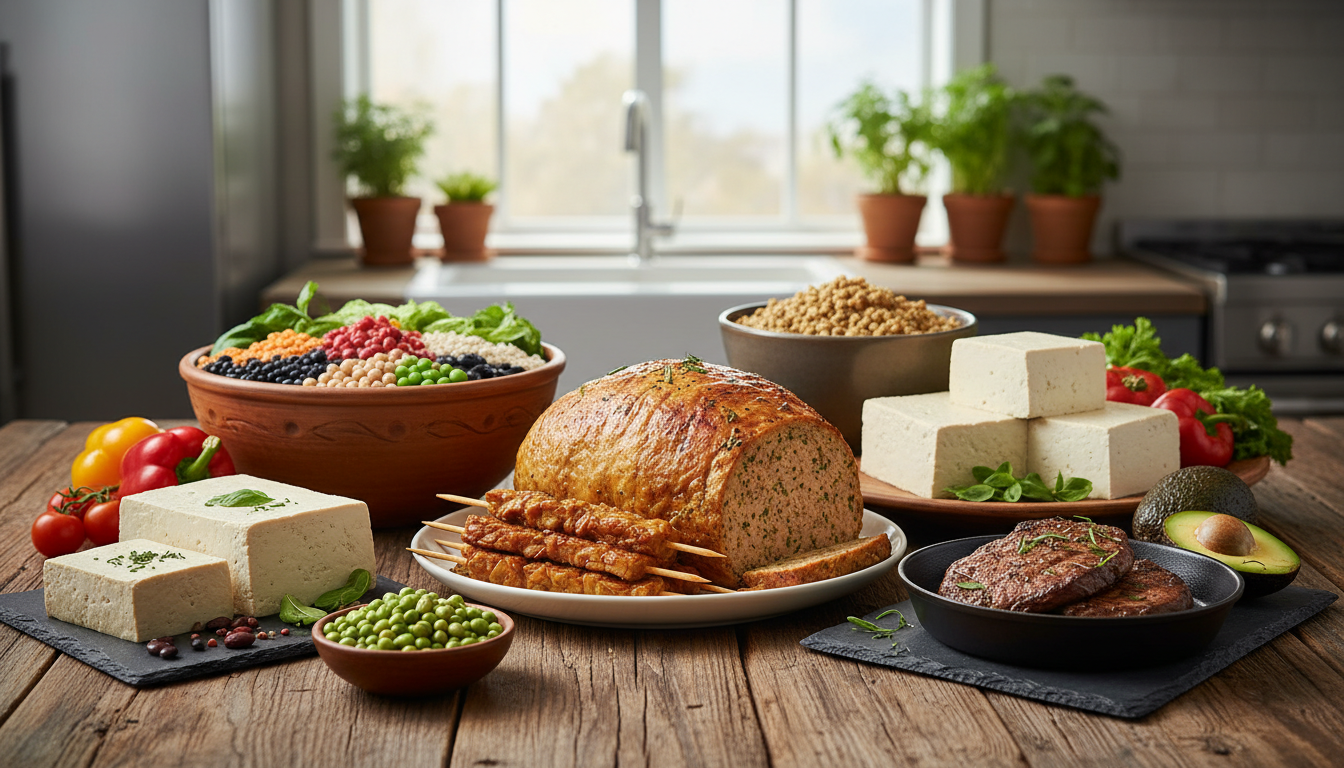
In 2026, the plant-based protein revolution has reached new heights, offering home cooks unprecedented options to transform their favorite meat-centered dishes into delicious, nutrient-dense plant-powered meals. Whether you’re transitioning to a vegetarian lifestyle, reducing your environmental footprint, or simply exploring new culinary possibilities, this comprehensive guide will help you navigate the expanding world of meat alternatives.
Table of Contents
The Rise of Plant-Based Proteins in 2026
The global plant-based protein market has experienced remarkable growth, with innovations making these substitutes more accessible and palatable than ever before. Today’s alternatives don’t just mimic meat—they deliver superior nutritional profiles, better sustainability metrics, and genuinely satisfying flavors that appeal to both committed vegetarians and flexitarians alike.
The shift toward plant-based eating reflects changing consumer values in 2026. People are increasingly conscious of their health, environmental impact, and ethical choices. Plant-based proteins offer a compelling solution across all three dimensions, making them more than just a trend—they’re becoming a dietary staple. For those looking to maximize their protein intake, understanding the best plant-based protein sources for high-protein cooking can help optimize both nutrition and meal planning.
Legumes: The Foundation of Plant-Based Cooking
Lentils: The Versatile Powerhouse
Lentils remain one of the most reliable meat substitutes available in 2026. These humble legumes pack approximately 25 grams of protein per cooked cup, making them nutritionally comparable to ground meat. Brown, red, and black lentils each bring unique textures and flavors to different dishes.
For traditional meat sauces and bolognese preparations, brown lentils provide an earthy, substantial base that mimics ground beef’s heartiness. Red lentils break down more readily, creating creamy, cohesive dishes perfect for curries and stews. Their natural umami notes develop beautifully when sautéed with aromatics, creating depth that satisfies even the most devoted meat-eaters. When preparing lentil-based dishes for the week ahead, incorporating them into your 30-minute meal prep routine can save considerable time while ensuring nutritious options are always available.
Chickpeas: The Textural Champion
Chickpeas have emerged as the go-to choice for creating meaty textures in plant-based dishes throughout 2026. Their firm structure holds up to various cooking methods, from high-heat roasting to slow simmering. Mashed chickpeas create convincing ground meat substitutes, while whole chickpeas provide satisfying bite and substance.
Roasted chickpeas offer a crunchy alternative to bacon bits, while chickpea flour serves as an excellent binder in plant-based burgers and meatballs. The versatility of chickpeas makes them indispensable in any plant-based kitchen. For quick weeknight preparations, easy sheet pan dinner recipes featuring roasted chickpeas provide hands-off cooking methods that maximize flavor while minimizing cleanup.
Black Beans: The Rich Alternative
Black beans deliver a robust, slightly sweet flavor profile that works exceptionally well in Latin-inspired dishes and hearty soups. With 15 grams of protein per cooked cup and substantial fiber content, black beans provide sustained satiety and impressive nutritional value.
Their dark color and rich taste make them particularly suitable for replacing beef in tacos, chili, and grain bowls. When properly seasoned, black beans create satisfying, complex flavors that stand independently rather than simply imitating meat.
Soy-Based Proteins: The Modern Staples
Tofu: The Blank Canvas
Tofu remains a cornerstone of plant-based cooking in 2026, offering remarkable versatility thanks to its neutral flavor and adaptable texture. The key to cooking with tofu lies in understanding its varieties—silken tofu for creamy sauces and desserts, firm tofu for stir-fries and grilling, and extra-firm tofu for pressing and crumbling.
When properly prepared, tofu absorbs surrounding flavors beautifully. Pressed, marinated, and pan-fried tofu develops a golden, crispy exterior while maintaining a tender interior—a preparation that satisfies even skeptical diners. Its high protein content (20 grams per 200-gram serving) makes it nutritionally comparable to chicken breast. For those looking to achieve perfectly crispy tofu with minimal oil, mastering air fryer cooking techniques can transform tofu preparation, creating restaurant-quality results at home.
Tempeh: The Nutty Alternative
Tempeh offers a firmer texture and nuttier flavor than tofu, making it ideal for those seeking a more substantial meat-like experience. Made from fermented soybeans, tempeh provides complete amino acids and exceptional digestibility.
Sliced tempeh can be marinated and pan-fried until crispy, creating a satisfying main course. Its slightly grainy texture works beautifully in stir-fries, grain bowls, and even as a sandwich filling. In 2026, tempeh is gaining recognition as a superior alternative for those seeking authentic texture and flavor complexity.
Edamame: The Whole Food Option
Fresh or frozen edamame provides a whole food protein source that works wonderfully in salads, stir-fries, and grain-based dishes. With 11 grams of protein per cup, edamame offers nutritional density without processing.
Emerging Plant-Based Innovations
Mycoprotein: The Textural Game-Changer
Mycoprotein, derived from fungus fermentation, has gained significant traction in 2026 as a revolutionary meat substitute. Brands utilizing mycoprotein technology have created products with remarkably authentic textures that fool even discerning palates. These products contain 12-15 grams of protein per serving and require minimal preparation.
Mycoprotein’s ability to replicate chicken and fish textures makes it particularly valuable for recreating traditional dishes without compromise. Modern kitchen innovations, including trending kitchen gadgets for 2026, are making it easier than ever to prepare these advanced plant-based proteins with professional results.
Pea Protein Isolates: The Performance Protein
Pea protein isolates have become increasingly sophisticated in 2026, moving beyond basic powder supplements to become key ingredients in premium plant-based products. These isolates deliver 20+ grams of protein per serving with improved taste profiles and texture characteristics compared to earlier versions.
Nuts and Seeds: The Protein-Rich Bases
Walnuts and Sunflower Seeds
When finely chopped or pulsed, walnuts and s
Frequently Asked Questions
Which plant-based protein has the highest protein content?
Seitan leads at 25g protein per 100g, followed by tempeh (19g), edamame (11g cooked), lentils (9g cooked), and tofu (8g). Hemp and pumpkin seeds are protein-dense snacking options.
Can plant-based proteins replace meat nutritionally?
Yes, with planning. Most plant proteins lack one or more essential amino acids, but combining complementary sources — beans + rice, hummus + whole grain — creates complete protein profiles.
Is tofu or tempeh better for cooking?
Tofu absorbs marinades better and suits scrambles, soups, and stir-fries. Tempeh holds its shape for grilling, has a nuttier flavor, and contains more protein and fiber due to fermentation.
How do I get enough protein on a plant-based diet?
Aim for 0.8-1g protein per kg of body weight. Include protein at every meal: legumes, tofu, tempeh, edamame, seitan, or high-protein grains like quinoa.
Are plant-based meat substitutes healthy?
They’re convenient but often highly processed with significant sodium. Whole-food options like lentils, chickpeas, and tempeh are nutritionally superior. Processed plant meats are best as occasional foods.
Continue Reading
- How to Master Air Fryer Cooking: Complete Beginner’s Guide with Timing Charts
- Best Slow Cooker Crock Pot Chicken Recipes That Always Turn Out Perfect
- The Best Plant-Based Protein Sources for High-Protein Cooking in 2026