Table of Contents
- Quick Summary
- Essential Heat-Based Cooking Techniques
- Moisture Cooking Methods for Healthy Preparation
- Cold Preparation Techniques and Preservation
- Professional Cooking Techniques for Advanced Cooks
- French Cooking Techniques and Classical Methods
- Regional Cooking Techniques Beyond European Cuisine
- Cooking Techniques for Dietary Restrictions
- Small Kitchen Cooking Techniques and Space Solutions
- Modern Technology Cooking Techniques
- Troubleshooting Common Technique Failures
- Building Your Cooking Techniques Foundation
Cooking techniques are the fundamental methods used to transform raw ingredients into finished dishes through the application of heat, cold, or chemical processes. These essential skills form the backbone of all culinary arts, from simple home cooking to professional gastronomy.
Quick Summary
• Master heat-based techniques (sautéing, roasting, braising) for versatile cooking applications
• Learn cold preparation methods (marinating, curing, fermentation) for flavor development
• Understand moisture cooking techniques (steaming, poaching) for healthy meal preparation
• Adapt traditional techniques for dietary restrictions and modern kitchen equipment
• Practice proper temperature control and timing for consistent results
- Essential Heat-Based Cooking Techniques
- Moisture Cooking Methods for Healthy Preparation
- Cold Preparation Techniques and Preservation
- Professional Cooking Techniques for Advanced Cooks
- French Cooking Techniques and Classical Methods
- Regional Cooking Techniques Beyond European Cuisine
- Cooking Techniques for Dietary Restrictions
- Small Kitchen Cooking Techniques and Space Solutions
- Modern Technology Cooking Techniques
- Troubleshooting Common Technique Failures
- Building Your Cooking Techniques Foundation
Essential Heat-Based Cooking Techniques
Heat-based cooking techniques use direct or indirect heat to cook food, creating texture changes and developing flavors through browning and caramelization. These fundamental methods include sautéing, roasting, grilling, frying, and braising.
Sautéing involves cooking food quickly in a small amount of fat over high heat. The key to successful sautéing is maintaining proper pan temperature and avoiding overcrowding. Heat your pan until a drop of water sizzles and evaporates immediately, then add oil and ingredients in a single layer.
Roasting uses dry heat in an oven to cook food evenly while developing a golden exterior. This technique works best for larger cuts of meat, whole poultry, and vegetables. Preheat your oven to the correct temperature and use a meat thermometer to ensure proper doneness.
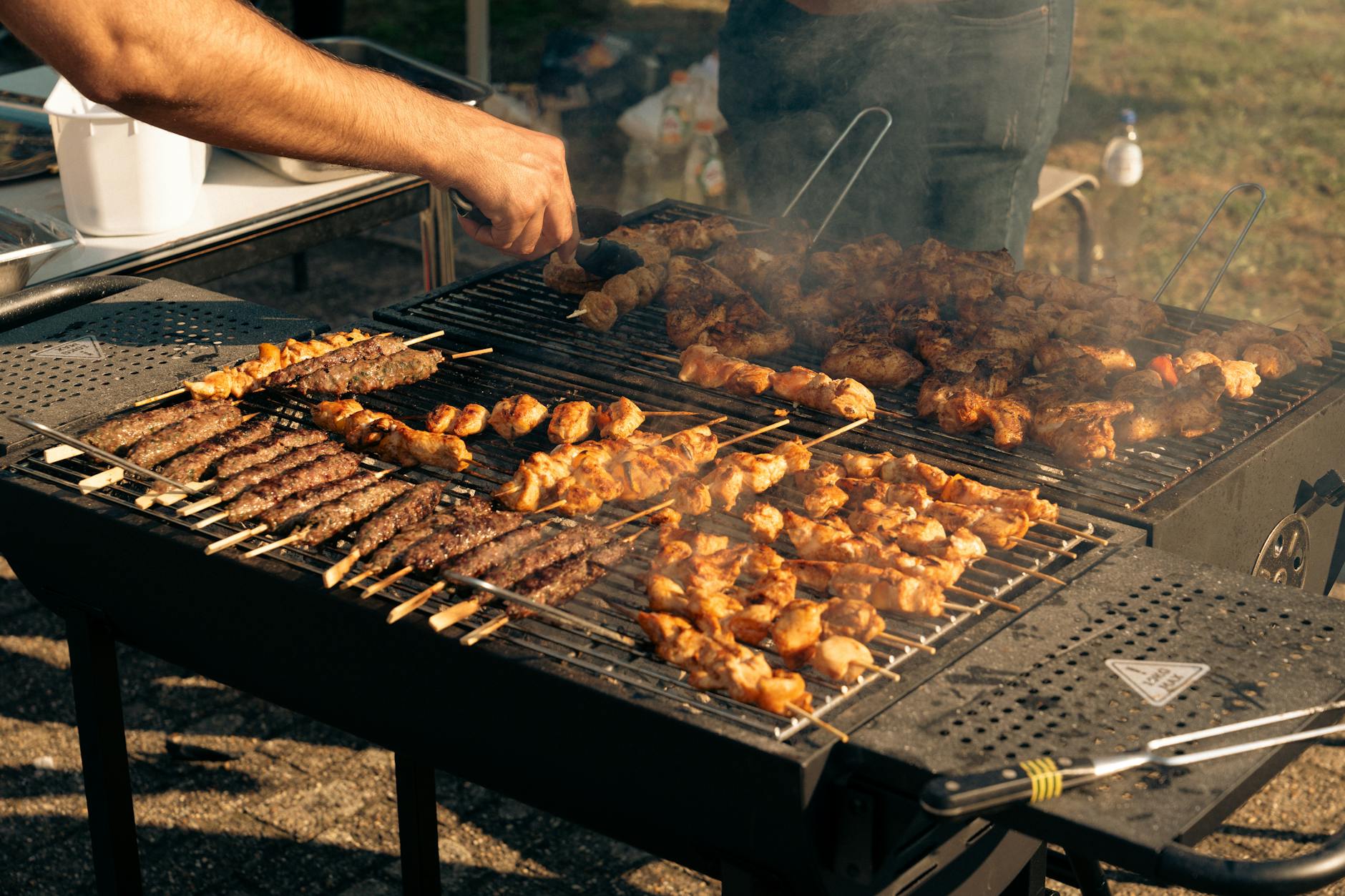
Grilling applies direct heat from below, creating distinctive char marks and smoky flavors. Whether using gas or charcoal, establish heat zones for different cooking needs. The USDA Food Safety and Inspection Service provides essential temperature guidelines for safely grilled meats.
Key Takeaway: Master these basic cooking techniques by focusing on temperature control, timing, and proper equipment preparation for consistent results.
Moisture Cooking Methods for Healthy Preparation
Moisture cooking techniques use water, steam, or other liquids to cook food gently while preserving nutrients and creating tender textures. These methods include steaming, poaching, braising, and stewing.
Steaming cooks food using hot vapor without direct water contact, preserving vitamins and minerals that might leach into cooking water. Use a steamer basket or insert, ensuring water doesn’t touch the food. Steam vegetables for 3-8 minutes depending on size and density.
Poaching involves cooking food gently in simmering liquid below boiling point (160-185°F). This delicate technique works perfectly for eggs, fish, and fruit. The liquid should barely bubble around the edges, never reaching a full boil.
Braising combines both dry and moist heat by first browning food, then cooking it slowly in liquid. This technique transforms tough cuts of meat into tender, flavorful dishes. Use a heavy pot with a tight-fitting lid and maintain low, steady heat.
Stewing differs from braising by using smaller pieces of food completely submerged in liquid. The Academy of Nutrition and Dietetics recommends these gentle cooking methods for maximum nutrient retention.
Cold Preparation Techniques and Preservation
Cold preparation techniques transform food without heat, using acids, salt, enzymes, or fermentation to develop flavors and preserve ingredients. These methods include marinating, curing, pickling, and fermentation.
Marinating uses acidic ingredients like vinegar, wine, or citrus juice to tenderize proteins and infuse flavors. The acid breaks down tough fibers while herbs and spices penetrate the food. Marinate delicate fish for 30 minutes maximum, while tougher meats can marinate overnight.
Curing preserves meat and fish using salt, sugar, and spices to remove moisture and prevent spoilage. Dry curing involves coating food with salt mixture, while wet curing uses brine solutions. Follow tested recipes exactly for food safety.
Fermentation uses beneficial bacteria to transform ingredients, creating complex flavors and improving digestibility. Popular fermented foods include sauerkraut, kimchi, and sourdough bread. Maintain proper temperature and sanitation throughout the fermentation process.
Key Takeaway: Cold preparation techniques require patience and precise measurements but create unique flavors impossible to achieve through heat alone.
Professional Cooking Techniques for Advanced Cooks
Professional cooking techniques demand precise execution, advanced equipment knowledge, and refined palate development to achieve restaurant-quality results. These methods include sous vide, confit, reduction sauces, and knife skills.
Sous vide cooking uses precisely controlled water baths to cook vacuum-sealed food at exact temperatures for extended periods. This technique ensures perfect doneness throughout while maintaining moisture and texture. Set your immersion circulator to the target temperature and cook times ranging from 45 minutes to 48 hours depending on the ingredient.
Confit traditionally preserves duck legs in their own fat but now applies to any protein cooked slowly in fat at low temperatures (150-200°F). This technique creates incredibly tender textures while developing rich flavors.
Reduction sauces concentrate flavors by simmering liquids until they reduce in volume, intensifying taste and creating glossy textures. Start with high-quality stock or wine and reduce by one-half to three-quarters for optimal results.
Advanced knife skills include julienne, brunoise, chiffonade, and tournée cuts that ensure even cooking and professional presentation. Practice these cuts regularly to develop muscle memory and increase efficiency.
Many professional cooking techniques have roots in classical French cuisine, which established standardized methods still used in professional kitchens worldwide. The Culinary Institute of America teaches these foundational techniques as part of professional culinary education.
French Cooking Techniques and Classical Methods
French cooking techniques form the foundation of Western culinary arts, emphasizing precise methods, mother sauces, and technical excellence passed down through centuries. These classical approaches include the five mother sauces, proper knife cuts, and traditional cooking methods.
The five mother sauces (béchamel, velouté, espagnole, hollandaise, and tomato) serve as bases for countless derivative sauces. Master these fundamental recipes to expand your sauce-making capabilities exponentially. Each requires specific techniques for achieving proper consistency and flavor balance.
Classical French knife cuts ensure uniform cooking and professional presentation. The brunoise (1/8-inch dice), julienne (1/8-inch strips), and chiffonade (thin ribbon cuts) require practice but dramatically improve dish quality and cooking consistency.
Traditional French braising techniques transform tough cuts into tender, flavorful dishes through careful temperature control and timing. Brown proteins first to develop flavor, then add aromatics and liquid before slow cooking in a covered pot.
French cooking techniques book recommendations include “Mastering the Art of French Cooking” by Julia Child and “Le Guide Culinaire” by Auguste Escoffier, both essential references for serious home cooks.
Regional Cooking Techniques Beyond European Cuisine
Regional cooking techniques from Asia, Africa, and Latin America offer diverse approaches to ingredient preparation and flavor development using unique equipment and methods. These techniques expand culinary possibilities beyond traditional Western approaches.
Asian stir-frying uses extremely high heat and constant motion to cook ingredients quickly while preserving texture and nutrients. The wok’s shape concentrates heat efficiently, requiring specific techniques for proper heat management and ingredient sequencing.
Indian tempering (tadka) involves heating whole spices in oil to release essential oils before adding them to dishes. This technique creates complex flavor layers impossible to achieve with ground spices alone.
Latin American nixtamalization treats corn with alkaline solutions to improve nutritional value and create masa for tortillas and tamales. This ancient technique demonstrates how traditional methods often enhance food safety and nutrition.
Middle Eastern grilling techniques use intense heat and specific spice combinations to create distinctive flavors. Marinating meats in yogurt-based mixtures tenderizes proteins while adding tangy complexity.
Japanese preparation techniques emphasize knife skills, seasonal ingredients, and minimal manipulation to highlight natural flavors. Proper sushi rice preparation requires specific rice varieties, vinegar ratios, and temperature control.
Key Takeaway: Exploring regional techniques expands your culinary repertoire while teaching different approaches to ingredient treatment and flavor development.
Cooking Techniques for Dietary Restrictions
Cooking techniques for dietary restrictions require ingredient substitutions and method modifications while maintaining flavor, texture, and nutritional value. These adaptations include gluten-free, vegan, low-sodium, and allergen-free approaches.
Gluten-free cooking requires understanding alternative flours and binding agents to replace wheat products. Combine multiple flour types (rice, almond, tapioca) for better texture and nutrition. Xanthan gum often replaces gluten’s binding properties in baked goods.
Vegan cooking techniques replace animal products while maintaining protein content and umami flavors. Nutritional yeast adds cheesy flavors, while mushrooms and fermented ingredients provide savory depth. Learn aquafaba techniques for egg replacement in baking and emulsifying.
Low-sodium cooking emphasizes herbs, spices, acids, and aromatic vegetables for flavor development without salt. Roasting vegetables concentrates natural sugars, while citrus and vinegar brighten flavors without sodium.
Allergen-free cooking requires careful ingredient reading and cross-contamination prevention. The Food Allergy Research & Education organization provides comprehensive guidance for safe cooking practices.
Many traditional techniques adapt easily to dietary restrictions with simple substitutions and mindful preparation methods.
Small Kitchen Cooking Techniques and Space Solutions
Small kitchen cooking techniques maximize limited space and equipment while maintaining cooking quality and efficiency. These methods include multi-purpose tool usage, batch cooking, and vertical space utilization.
One-pot cooking techniques reduce cleanup while creating complete meals. Sheet pan dinners combine proteins and vegetables with coordinated cooking times. Dutch ovens serve multiple functions from braising to bread baking.
Vertical cooking utilizes oven space efficiently by using multiple racks simultaneously. Stackable steamers cook different foods together, while tiered cooling racks increase workspace.
Make-ahead techniques like marinades, spice blends, and pre-cut vegetables streamline cooking processes. Prepare components during downtime for faster meal assembly during busy periods.
Storage solutions keep ingredients fresh and accessible in limited space. Proper container selection and labeling systems prevent waste while maintaining organization.
Key Takeaway: Small kitchen success depends on efficient workflow planning and multi-functional equipment usage rather than extensive space or expensive gadgets.
Modern Technology Cooking Techniques
Modern technology cooking techniques leverage precision equipment and digital controls to achieve consistent results previously possible only in professional kitchens. These innovations include sous vide, induction cooking, and smart appliances.
Induction cooking provides precise temperature control with instant heat adjustment. The electromagnetic field heats cookware directly, offering energy efficiency and safety advantages over gas or traditional electric methods.
Precision fermentation uses controlled environments to create consistent fermented foods. Digital pH meters and temperature controllers eliminate guesswork from traditionally unpredictable processes.
Smart oven technology combines multiple cooking methods with app-controlled precision. These appliances can steam, bake, roast, and dehydrate while monitoring internal temperatures automatically.
Digital scales and thermometers remove measurement uncertainty from cooking. Weight-based measurements prove more accurate than volume measurements, especially for baking.
High-powered blenders enable techniques like hot soup preparation and nut milk creation that require significant processing power.
Troubleshooting Common Technique Failures
Common cooking technique failures usually result from incorrect temperatures, timing issues, or ingredient preparation problems that experienced cooks learn to identify and correct. Understanding these patterns improves cooking success rates dramatically.
Overcrowded pans prevent proper browning by trapping steam around ingredients. Cook in batches when necessary, ensuring adequate space between pieces for proper heat circulation and moisture evaporation.
Incorrect oil temperatures cause absorption in fried foods or inadequate searing in sautéed dishes. Use thermometers or visual cues (oil shimmering for sautéing, bread cube test for deep frying) to verify proper temperatures.
Opening ovens frequently disrupts heat circulation and extends cooking times. Use oven lights and timers instead of opening doors unnecessarily, especially during baking when consistent temperatures are critical.
Underseasoning occurs when cooks fear over-salting, but proper seasoning requires tasting and adjusting throughout cooking processes. Add salt gradually and taste frequently for optimal flavor development.
Resting meat improperly leads to juice loss and temperature drops. Allow roasted meats to rest in warm locations for 10-30 minutes depending on size, covering loosely with foil to retain heat.
Building Your Cooking Techniques Foundation
Building strong cooking technique foundations requires systematic practice, quality equipment, and understanding the science behind each method. This foundation enables creative cooking and consistent results across all skill levels.
Start with basic cooking techniques list fundamentals: sautéing, roasting, steaming, and braising. Master these core methods before advancing to specialized techniques requiring additional equipment or experience.
Invest in quality basic tools rather than numerous gadgets. Sharp knives, heavy-bottomed pans, and accurate thermometers prove more valuable than expensive specialty equipment for beginning cooks.
Practice mise en place (everything in place) by preparing all ingredients before cooking begins. This professional habit prevents rushing and ensures proper technique execution throughout the cooking process.
Keep a cooking journal documenting successful techniques and noting areas for improvement. Record temperatures, timing, and results to build personal cooking knowledge over time.
Many excellent cooking techniques pdf resources and cooking techniques book options provide detailed instruction for home study. Combine reading with hands-on practice for optimal skill development.
Key Takeaway: Consistent practice with fundamental techniques creates the foundation for culinary creativity and cooking confidence across all cuisine types and skill levels.
Frequently Asked Questions
What is cooking techniques?
Cooking techniques are specific methods used to prepare and transform food through heat application, moisture control, and timing. Examples include sautéing, braising, roasting, and poaching. Each technique affects food’s texture, flavor, and nutritional content differently, requiring distinct temperature ranges and cooking times.
How does cooking techniques work?
Cooking techniques work by applying controlled heat and moisture to break down proteins, caramelize sugars, and soften fibers. For example, braising uses both dry and moist heat—first searing meat at high temperature, then slow-cooking in liquid to tenderize tough cuts like chuck roast.
Why does cooking techniques matter in 2026?
Cooking techniques matter in 2026 because they maximize nutrition retention and minimize food waste. Sous vide cooking, for instance, preserves 90% of vitamins compared to 50% in traditional boiling. With rising food costs and health consciousness, proper techniques ensure optimal flavor and nutritional value.
What are common cooking techniques mistakes to avoid?
Common mistakes include overcrowding pans, which causes steaming instead of browning, and not preheating properly. For example, adding chicken to a cold pan results in sticking and uneven cooking. Also, constantly flipping meat prevents proper searing and caramelization, reducing flavor development significantly.
Related reading: Cooking Techniques: Master Essential Methods in.
Related reading: How to Master Air Fryer Cooking.