Table of Contents
- Quick Summary
- Understanding Heat Transfer in Cooking
- Dry-Heat Cooking Techniques
- Moist-Heat Cooking Methods
- Combination Cooking Techniques
- Modern and Advanced Techniques
- Equipment Adaptations for Different Kitchens
- Seasonal Ingredient Modifications
- Troubleshooting Common Technique Failures
- Meal Prep and Batch Cooking Applications
- Building Your Technique Foundation
Cooking techniques are the fundamental methods used to transform raw ingredients into delicious meals through the application of heat, moisture, and specific preparation methods. Understanding these techniques forms the foundation of all successful cooking, whether you’re preparing a simple weeknight dinner or an elaborate feast.
Quick Summary
• Master dry-heat methods like sautéing, roasting, and grilling for crispy, caramelized results
• Learn moist-heat techniques including braising, steaming, and poaching for tender, flavorful dishes
• Understand combination methods that merge multiple techniques for complex flavors
• Apply seasonal modifications and equipment adaptations to optimize your cooking
• Troubleshoot common technique failures with proven solutions
- Understanding Heat Transfer in Cooking
- Dry-Heat Cooking Techniques
- Moist-Heat Cooking Methods
- Combination Cooking Techniques
- Modern and Advanced Techniques
- Equipment Adaptations for Different Kitchens
- Seasonal Ingredient Modifications
- Troubleshooting Common Technique Failures
- Meal Prep and Batch Cooking Applications
- Building Your Technique Foundation
Understanding Heat Transfer in Cooking
Heat transfer is the scientific foundation that makes all cooking techniques work, involving conduction, convection, and radiation to transform ingredients. Every cooking method relies on one or more of these heat transfer principles to achieve specific textures, flavors, and appearances in food.
Conduction occurs when heat transfers directly through contact, like when a steak touches a hot pan. The USDA Food Safety and Inspection Service emphasizes that understanding proper heat application is crucial for both food safety and optimal results. Convection involves heat transfer through moving air or liquid, which is why ovens have fans and why stirring helps cook food evenly.
Radiation transfers heat through electromagnetic waves, like the infrared heat from a grill or broiler. This basic cooking techniques list forms the scientific foundation for why certain methods work better for specific ingredients and desired outcomes.
Key Takeaway: Understanding how heat moves through your food helps you choose the right cooking technique and troubleshoot problems when they arise.
Dry-Heat Cooking Techniques
Dry-heat cooking techniques use air, fat, or metal to transfer heat without moisture, creating caramelized surfaces and concentrated flavors. These methods are essential for developing the Maillard reaction, which creates the appealing brown colors and complex flavors we associate with properly cooked food.
Sautéing involves cooking food quickly in a small amount of fat over relatively high heat. The key is maintaining movement – the word “sauté” comes from the French verb meaning “to jump.” This technique works best for tender ingredients like vegetables, thin cuts of meat, or seafood that cook quickly.
Roasting uses dry heat in an enclosed environment (your oven) to cook food evenly from all sides. This professional cooking technique requires understanding your oven’s hot spots and how different foods respond to various temperatures. Root vegetables benefit from higher heat (425°F-450°F) while delicate proteins often need moderate temperatures (350°F-375°F).
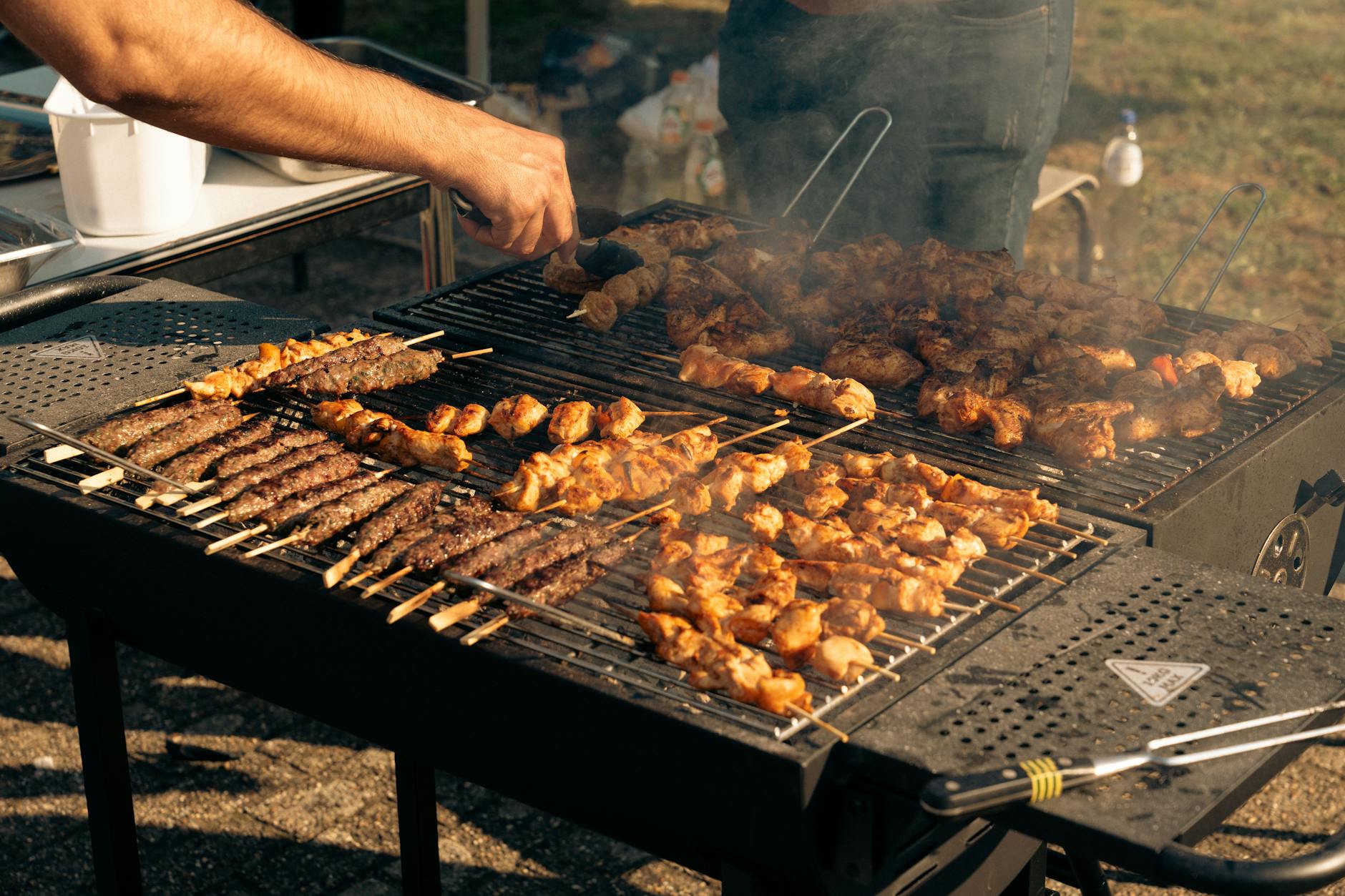
Grilling applies direct radiant heat from below, creating distinctive char marks and smoky flavors. The Academy of Nutrition and Dietetics provides guidelines for safe grilling practices that maintain both flavor and nutritional value.
| Technique | Best Temperature | Ideal Foods | Key Benefits |
|---|---|---|---|
| Sautéing | Medium-high heat | Vegetables, thin proteins | Quick cooking, preserved texture |
| Roasting | 350°F-450°F | Large proteins, root vegetables | Even cooking, caramelization |
| Grilling | High direct heat | Steaks, burgers, sturdy vegetables | Char flavor, quick cooking |
| Pan-frying | Medium heat | Breaded items, thick proteins | Crispy exterior, controlled browning |
Moist-Heat Cooking Methods
Moist-heat cooking techniques use water, steam, or other liquids to transfer heat gently, resulting in tender textures and retained moisture. These basic cooking techniques for beginners are often more forgiving than dry-heat methods and excel at breaking down tough connective tissues.
Braising combines both moist and dry heat by first browning food, then cooking it slowly in liquid. This cooking techniques french method transforms tough cuts of meat into tender, flavorful dishes. The initial browning develops flavor through the Maillard reaction, while the slow, moist cooking breaks down collagen into gelatin.
Steaming uses the heat from boiling water vapor to cook food without direct contact with liquid. This gentle method preserves nutrients, colors, and delicate textures better than boiling. Steaming works exceptionally well for vegetables, fish, and dumplings.
Poaching involves cooking food gently in barely simmering liquid. The liquid temperature should stay between 160°F-180°F – you should see occasional bubbles but not a rolling boil. This technique is perfect for eggs, delicate fish, and fruits.
Boiling and simmering use direct contact with hot liquid. Boiling (212°F at sea level) is ideal for pasta, hardy vegetables, and grains. Simmering (185°F-200°F) is gentler and better for soups, stews, and stocks where you want to extract flavors gradually.
Key Takeaway: Moist-heat methods are your best choice when you need to tenderize tough ingredients or preserve delicate textures and nutrients.
Combination Cooking Techniques
Combination cooking techniques merge dry and moist heat methods to achieve complex flavors and textures that single methods cannot accomplish alone. These approaches often involve multiple steps but deliver restaurant-quality results at home.
Braise-and-finish is a technique where you braise food until tender, then expose it to dry heat for the final few minutes to create a caramelized exterior. This works beautifully with short ribs or chicken thighs. The Culinary Institute of America teaches this as a fundamental technique in professional kitchens.
Confit involves slowly cooking food in fat at low temperatures (usually around 200°F), then often finishing with high heat for texture contrast. While traditionally used for duck legs, modern home cooks apply this technique to vegetables, salmon, and even garlic.
Sous vide followed by searing represents a modern combination approach. The sous vide cooking ensures perfect doneness throughout, while the final sear provides the surface texture and flavor that moist heat alone cannot achieve.
What makes you think you need a specific cooking techniques book or cooking techniques pdf? The reality is that mastering these fundamental combinations gives you the flexibility to adapt any recipe to your preferences and available ingredients.
Modern and Advanced Techniques
Modern cooking techniques incorporate scientific understanding and contemporary equipment to achieve precise results and novel textures. While these methods might seem intimidating, many can be adapted for home kitchens with basic equipment.
Sous vide cooking involves vacuum-sealing food and cooking it in precisely controlled water baths. This technique allows for exact temperature control and consistent results. You can achieve similar effects using a heavy pot, thermometer, and careful attention to water temperature.
Fermentation has gained popularity as home cooks discover its ability to develop complex flavors and improve nutritional profiles. From simple sauerkraut to more complex kimchi, fermentation is a cooking technique that relies on beneficial bacteria rather than heat.
Smoking adds distinctive flavors through controlled exposure to wood smoke. While traditional smokers work best, you can achieve smoking effects in conventional ovens using wood chips and careful temperature management.
The Food and Drug Administration provides safety guidelines for advanced techniques like fermentation and smoking that help ensure both delicious and safe results.
Key Takeaway: Modern techniques expand your flavor palette, but they build on the same fundamental principles as traditional cooking methods.
Equipment Adaptations for Different Kitchens
Successful cooking techniques adapt to your available equipment rather than requiring specific tools, allowing you to achieve excellent results regardless of kitchen limitations. Understanding these adaptations makes any basic cooking techniques pdf more practical for real-world cooking.
For small kitchens, focus on multi-purpose techniques. A heavy-bottomed pot can substitute for a Dutch oven for braising, while a large skillet can handle roasting for smaller portions. Cast iron pans excel at multiple techniques – searing, baking, and even smoking with a tight lid.
Induction cooktops require magnetic cookware but offer precise temperature control that enhances techniques requiring specific heat levels. Gas ranges provide immediate heat adjustment that benefits sautéing and stir-frying. Electric coil burners need more patience but work well for slow, steady techniques like braising.
Oven variations significantly impact roasting and baking techniques. Convection ovens cook faster and more evenly, so reduce temperatures by 25°F and check for doneness earlier. Toaster ovens work well for small-batch roasting and can often achieve better browning than full-size ovens for single servings.
High-altitude cooking requires technique modifications. Lower air pressure affects boiling points, moisture evaporation, and rising. The Colorado State University Extension provides specific adjustments for various techniques at different elevations.
| Kitchen Limitation | Technique Adaptation | Alternative Method |
|---|---|---|
| No grill | Use cast iron grill pan | Broiler for char effects |
| Small oven | Batch roasting | Pan-roasting on stovetop |
| No stand mixer | Hand techniques | Food processor for some tasks |
| Limited burners | One-pot combinations | Sequential cooking |
Seasonal Ingredient Modifications
Seasonal ingredients require technique adjustments to account for varying moisture content, density, and flavor intensity throughout the year. These modifications ensure consistent results regardless of when you’re cooking.
Spring vegetables like asparagus and peas have high water content and tender fibers, making them ideal for quick techniques like steaming or light sautéing. Avoid overcooking spring produce – it should retain some bite and bright color.
Summer vegetables often have peak flavor and don’t need complex techniques. Grilling enhances their natural sweetness, while raw preparations like salads showcase their prime condition. Summer tomatoes are perfect for techniques that highlight their juice content, like slow roasting or fresh salsas.
Fall root vegetables benefit from techniques that concentrate their flavors and break down their denser structure. Roasting caramelizes their natural sugars, while braising transforms tough winter squashes into creamy textures.
Winter storage vegetables like potatoes, onions, and carrots have different starch and sugar concentrations than their fresh counterparts. These changes affect cooking times and final textures. Stored potatoes often need longer cooking times, while winter onions may be more pungent and require gentler cooking to mellow their flavors.
Key Takeaway: Adjusting your techniques based on seasonal ingredient characteristics ensures consistent, delicious results year-round.
Troubleshooting Common Technique Failures
Most cooking technique failures stem from incorrect heat management, timing issues, or ingredient preparation problems that have straightforward solutions. Understanding these common problems helps you troubleshoot in real-time and prevents repeated mistakes.
Overcooked proteins usually result from too-high heat or inadequate monitoring. The solution involves lower temperatures and using a meat thermometer for precision. Undercooked proteins often indicate insufficient heat or inadequate cooking time – increase heat slightly and extend cooking time while monitoring closely.
Uneven cooking typically stems from overcrowding pans, inadequate preheating, or pieces of dramatically different sizes. Give ingredients space to cook properly, ensure your pan is hot before adding food, and cut ingredients uniformly.
Lack of browning usually indicates too much moisture, insufficient heat, or overcrowding. Pat ingredients dry before cooking, ensure your pan is properly heated, and avoid adding too much food at once. The Institute of Food Technologists explains the science behind browning reactions and how to optimize them.
Sticking problems often result from insufficient fat, inadequate preheating, or moving food too soon. Use appropriate amounts of oil or butter, let your pan heat properly, and allow proteins to release naturally before attempting to turn them.
What happens when sauces break or curdle? This usually indicates temperature shock or inadequate emulsification. For cream sauces, maintain gentle heat and add dairy products slowly. For emulsified sauces like hollandaise, ensure ingredients are at proper temperatures before combining.
Meal Prep and Batch Cooking Applications
Cooking techniques for meal prep focus on methods that maintain quality during storage and reheating while maximizing efficiency during initial preparation. Strategic technique selection makes meal prep more successful and enjoyable.
Braising excels for meal prep because the gentle, moist cooking produces foods that reheat beautifully. Braised meats and vegetables often improve in flavor after a day or two in the refrigerator as flavors meld and develop.
Roasting works well for batch preparation of vegetables and proteins that you’ll use in multiple meals throughout the week. Roasted vegetables maintain good texture when reheated, and roasted proteins can be served hot or incorporated into cold salads.
Steaming preserves both nutrition and reheating quality for vegetables. Slightly undercooked steamed vegetables finish cooking perfectly when reheated, avoiding the mushy texture that often plagues reheated vegetables.
Poaching creates tender proteins that work well cold or reheated gently. Poached chicken stays moist during storage and works in salads, sandwiches, or reheated dishes.
Avoid techniques that don’t reheat well for meal prep. Fried foods lose their crispness, and delicate preparations often suffer texture changes during storage. Save these techniques for immediate consumption.
Key Takeaway: Choose cooking techniques based on how they’ll perform after storage and reheating, not just their initial results.
Building Your Technique Foundation
Developing cooking technique mastery requires systematic practice, starting with basic methods and gradually building complexity as your skills and confidence grow. This progression mirrors how professional cooking techniques are taught in culinary schools.
Start with fundamental dry-heat methods: sautéing, pan-frying, and basic roasting. These techniques teach heat control, timing, and the visual and auditory cues that indicate doneness. Master these before moving to more complex methods.
Progress to moist-heat basics: steaming, boiling, and simple braising. These techniques are more forgiving and help develop understanding of how different ingredients respond to various cooking environments.
Combination techniques come next, building on your dry and moist-heat foundation. Braising that includes proper browning, for example, requires skills from both categories working together.
Advanced techniques should wait until you’re comfortable with fundamentals. Sous vide, fermentation, and smoking require understanding of basic principles plus additional knowledge about food safety and specialized equipment.
Practice consistently with familiar ingredients before attempting new techniques with expensive or unfamiliar foods. This approach builds confidence while minimizing waste and frustration.
Document your successes and failures. Note what worked, what didn’t, and what you’d change next time. This personal cooking techniques list becomes invaluable for refining your skills.
Are you wondering how long it takes to master these techniques? Most home cooks see significant improvement within 3-6 months of regular practice, with continued refinement over years of cooking.
Do you need expensive equipment to learn proper techniques? While quality tools help, most fundamental techniques can be learned with basic equipment: a good knife, cutting board, heavy pan, and reliable heat source.
Which techniques should you prioritize first? Focus on sautéing, roasting, and steaming initially. These three techniques alone can handle the majority of home cooking situations and teach essential principles that apply to more advanced methods.
Mastering cooking techniques transforms cooking from following recipes blindly to understanding why certain methods work and how to adapt them for your preferences, ingredients, and equipment. This knowledge makes you a more confident, creative, and successful cook, capable of creating delicious meals regardless of your specific circumstances or available ingredients.
Frequently Asked Questions
What is cooking techniques?
Cooking techniques are specific methods used to prepare and transform food through heat, moisture, or chemical processes. Examples include sautéing, braising, roasting, steaming, and sous vide. Each technique affects food’s texture, flavor, and nutritional content differently, requiring specific temperatures, timing, and equipment to achieve desired results.
How does cooking techniques work?
Cooking techniques work by applying controlled heat transfer through conduction, convection, or radiation. For example, searing meat at 400°F creates the Maillard reaction, forming a flavorful crust while keeping the interior tender. Different techniques manipulate moisture, temperature, and time to break down proteins, caramelize sugars, and develop complex flavors.
Why does cooking techniques matter in 2026?
Cooking techniques matter in 2026 because they maximize nutrition retention and food safety while reducing waste. Modern precision cooking like sous vide maintains 90% more vitamins than traditional boiling. With rising food costs and health consciousness, proper techniques ensure optimal flavor, texture, and nutritional value from every ingredient.
What are common cooking techniques mistakes to avoid?
Common cooking technique mistakes include overcrowding pans, which steams food instead of browning it, and not preheating properly. For instance, adding chicken to a cold pan prevents proper searing. Other errors include constant stirring during caramelization, using wrong oil smoke points, and not resting meat after cooking.
Related reading: How to Master Air Fryer Cooking.
Related reading: Quick 30-Minute Meal Prep Ideas for.