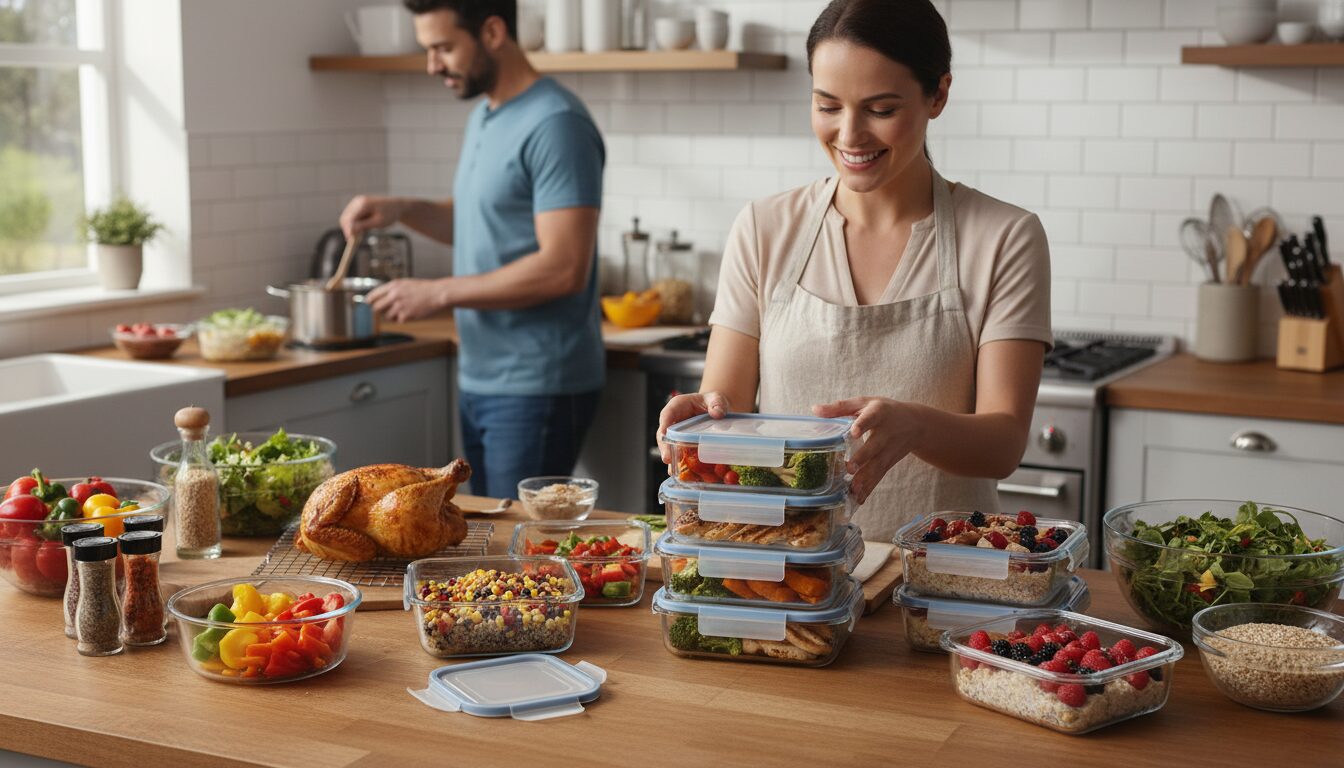
TL;DR: Effective meal prep strategies include batch cooking complete meals, preparing individual components separately for mix-and-match flexibility, or assembling grab-and-go options that require minimal cooking. Beginners should start with 2-3 hours of weekly prep time focusing on just 3-4 meals, using proper glass or BPA-free containers in multiple sizes for safe storage. Success depends on choosing a method that matches your cooking skills, schedule flexibility, and lifestyle needs rather than trying to prep every meal at once.
Table of Contents
- What Are the Most Effective Meal Prep Strategies for Beginners
- How to Choose Your Meal Prep Method
- Essential Tools and Containers for Success
- How to Meal Prep for Weight Loss Without Getting Bored
- Portion Control Strategies That Work
- Meal Prep Examples for Different Calorie Goals
- Meal Prep Strategies for Irregular Work Schedules and Shift Workers
- Flexible Prep Methods for Changing Schedules
- Quick Assembly Strategies for Time-Crunched Days
- Why Meal Prep Fails and How to Avoid Common Disasters
- Solutions for People Who Hate Leftovers
- Meal Prep Safety and Storage Troubleshooting
- Sustainable Meal Prep Methods That Reduce Food Waste
- Zero-Waste Meal Prep Techniques
- Eco-Friendly Container and Packaging Alternatives
- Meal Prep Strategies for Food Anxiety and Eating Disorders
- Gentle Approaches to Food Planning
- Building Food Flexibility While Staying Organized
- Frequently Asked Questions About Meal Prep Strategies
Meal prep strategies are systematic approaches to planning, preparing, and storing meals in advance to save time, improve nutrition, and reduce daily food decisions. The most effective strategies combine batch cooking techniques with flexible storage systems that adapt to individual schedules and dietary goals.
Quick Reference:
– Choose between batch cooking, component prep, or grab-and-go methods based on your schedule
– Successful meal prep requires proper containers and a realistic time investment of 2-4 hours weekly
– Weight loss meal prep focuses on portion control and variety to prevent boredom
– Flexible strategies work better for shift workers and irregular schedules than rigid systems
– Common failures stem from over-ambitious planning and inadequate food safety practices
– Sustainable approaches reduce waste through strategic ingredient use and eco-friendly storage
What Are the Most Effective Meal Prep Strategies for Beginners
The most effective meal prep strategies for beginners focus on simple, sustainable methods that build confidence through early wins. Research from the International Food Information Council shows that 73% of Americans who successfully maintain meal prep habits started with one primary method and gradually expanded their approach.
The three foundational meal preparation strategies that consistently work for newcomers are:
-
Batch Cooking Method: Prepare large quantities of 2-3 core recipes on weekends, then portion into individual containers. Start with simple one-pot meals like chili, stir-fries, or grain bowls that reheat well and provide 4-6 servings each.
-
Component Preparation: Cook individual ingredients separately (proteins, grains, vegetables) and mix-and-match throughout the week. This approach prevents meal fatigue while maintaining efficiency. Prepare 2-3 proteins, 2 grain types, and 4-5 roasted or steamed vegetables.
-
Grab-and-Go Assembly: Focus on meals requiring minimal or no cooking, such as overnight oats, mason jar salads, or wrap combinations. This method works well for those with limited cooking skills or kitchen equipment.
Successful beginners typically dedicate 2-3 hours on a single day (usually Sunday) to meal prep activities. The key is starting small with just 3-4 meals rather than attempting to prep every meal for the entire week.
How to Choose Your Meal Prep Method
Select your meal prep method based on your available time, cooking confidence, and schedule flexibility. The wrong method for your lifestyle leads to abandonment, while the right match creates sustainable habits.
| Method | Time Investment | Skill Level | Best For |
|---|---|---|---|
| Batch Cooking | 3-4 hours weekly | Intermediate | People who enjoy cooking and don’t mind eating similar meals 2-3 days in a row |
| Component Prep | 2-3 hours weekly | Beginner to Intermediate | Those who want variety and flexibility in meal combinations |
| Grab-and-Go | 1-2 hours weekly | Beginner | Busy professionals, students, or anyone with minimal cooking time/space |
Consider your refrigerator and freezer space when choosing methods. Batch cooking requires more storage containers, while component prep needs compartmentalized storage solutions. For longer-term storage and preservation of prepped meals, understanding proven food preservation methods can help extend the life of your prepared ingredients and reduce waste.
Essential Tools and Containers for Success
Proper containers and tools make the difference between meal prep success and spoiled food disasters. Glass containers with airtight lids are the gold standard for meal prep storage because they’re microwave-safe, don’t absorb odors, and allow you to see contents clearly.
Investing in the right essential kitchen gadgets can streamline your meal prep process significantly. Key tools include a quality food processor for quick chopping, digital kitchen scale for accurate portioning, and multiple cutting boards to prevent cross-contamination. Additionally, having a comprehensive set of kitchen gadgets specifically designed for meal prep can reduce preparation time and improve consistency in your cooking.
How to Meal Prep for Weight Loss Without Getting Bored
Successful weight loss meal prep requires strategic variety and portion control without sacrificing flavor or satisfaction. Studies show that people who meal prep are 50% more likely to maintain weight loss long-term compared to those who don’t plan meals in advance.
For sustained weight loss success, focus on high protein meal prep options that provide satiety and support muscle maintenance during calorie restriction. Protein-rich meals help control hunger between eating periods and maintain metabolic rate during weight loss phases.
Portion Control Strategies That Work
Effective portion control in meal prep goes beyond just measuring food – it’s about creating satisfying, balanced meals that naturally regulate hunger signals. Pre-portioned containers eliminate guesswork and decision fatigue while ensuring consistent calorie intake.
Meal Prep Examples for Different Calorie Goals
Tailor your meal prep approach to match specific calorie targets while maintaining nutritional balance and meal satisfaction. Different calorie goals require adjustments in portion sizes, ingredient choices, and meal frequency rather than completely different foods.
Meal Prep Strategies for Irregular Work Schedules and Shift Workers
Shift workers and people with irregular schedules need flexible meal prep strategies that adapt to changing sleep patterns and unpredictable meal times. Traditional Sunday meal prep doesn’t work when your “Monday” might start at 6 PM or your lunch break happens at midnight.
Flexible Prep Methods for Changing Schedules
Component-based meal prep works best for irregular schedules because it allows meal assembly at any time without reheating full meals. Keep proteins, grains, and vegetables prepared separately so you can create fresh combinations regardless of when you eat.
Quick Assembly Strategies for Time-Crunched Days
Time-crunched days require grab-and-go solutions that provide complete nutrition without cooking or extensive preparation. Focus on meals that can be eaten cold or with minimal heating, such as grain bowls, wraps, or mason jar salads.
Why Meal Prep Fails and How to Avoid Common Disasters
The most common meal prep failures stem from overambitious planning, inadequate storage, and ignoring personal food preferences. Research indicates that 68% of people abandon meal prep within the first month due to unrealistic expectations and poor execution strategies.
Solutions for People Who Hate Leftovers
People who dislike leftovers can still benefit from meal prep by focusing on component preparation and fresh assembly techniques. The key is preparing ingredients rather than complete meals, allowing for variety and freshness in daily meal creation.
Meal Prep Safety and Storage Troubleshooting
Food safety in meal prep requires understanding proper storage temperatures, container selection, and maximum storage times for different food types. Improper storage leads to foodborne illness and wasted preparation time.
Understanding various food preservation techniques beyond basic refrigeration can significantly extend the shelf life of your meal prep ingredients and improve food safety practices.
Sustainable Meal Prep Methods That Reduce Food Waste
Sustainable meal prep focuses on minimizing food waste through strategic ingredient purchasing, versatile recipe planning, and proper storage techniques. The average American household wastes 30-40% of their food supply, but meal prep can reduce this waste by up to 75% when implemented correctly.
Zero-Waste Meal Prep Techniques
Zero-waste meal prep maximizes ingredient usage through strategic planning and creative repurposing of food scraps. Every part of purchased ingredients should have a purpose, from vegetable scraps for stock to herb stems for flavor bases.
Eco-Friendly Container and Packaging Alternatives
Sustainable meal prep containers reduce environmental impact while maintaining food safety and convenience. Glass containers, beeswax wraps, and silicone storage bags offer reusable alternatives to single-use plastic options.
Meal Prep Strategies for Food Anxiety and Eating Disorders
Meal prep can be adapted to support recovery from eating disorders and manage food anxiety when approached with flexibility and professional guidance. The structure of meal prep can reduce food-related decision fatigue while maintaining necessary flexibility for mental health.
Gentle Approaches to Food Planning
Gentle meal prep approaches prioritize mental health and food relationship healing over strict adherence to prep schedules. Focus on having options available rather than rigid meal requirements.
Building Food Flexibility While Staying Organized
Balanced meal prep maintains organization benefits while preserving food choice flexibility essential for healthy eating relationships. Create frameworks rather than rigid rules, allowing for spontaneous food decisions within prepared options.
Frequently Asked Questions About Meal Prep Strategies
Q: How long do meal prepped foods stay fresh in the refrigerator?
A: Most meal prepped foods stay fresh for 3-4 days in the refrigerator when stored properly in airtight containers. Cooked proteins and grains typically last 3-4 days, while prepared vegetables may only last 2-3 days.
Q: Can I freeze meal prepped foods?
A: Yes, many meal prepped foods freeze well for up to 3 months. Avoid freezing foods with high water content like lettuce or cucumbers, as they become soggy when thawed.
Q: What’s the best day to meal prep?
A: Sunday is most popular, but choose any day that consistently works for your schedule. Some people prefer Wednesday prep for mid-week refreshment or split prep across two days.
Q: How much should I spend on meal prep containers?
A: Invest $30-60 in quality glass containers with airtight lids. This initial investment pays off through durability and better food preservation compared to cheap plastic alternatives.
Q: Should beginners prep all meals or just some?
A: Beginners should start with just 3-4 meals to build habits and confidence. Attempting to prep every meal often leads to overwhelm and abandonment of the practice.