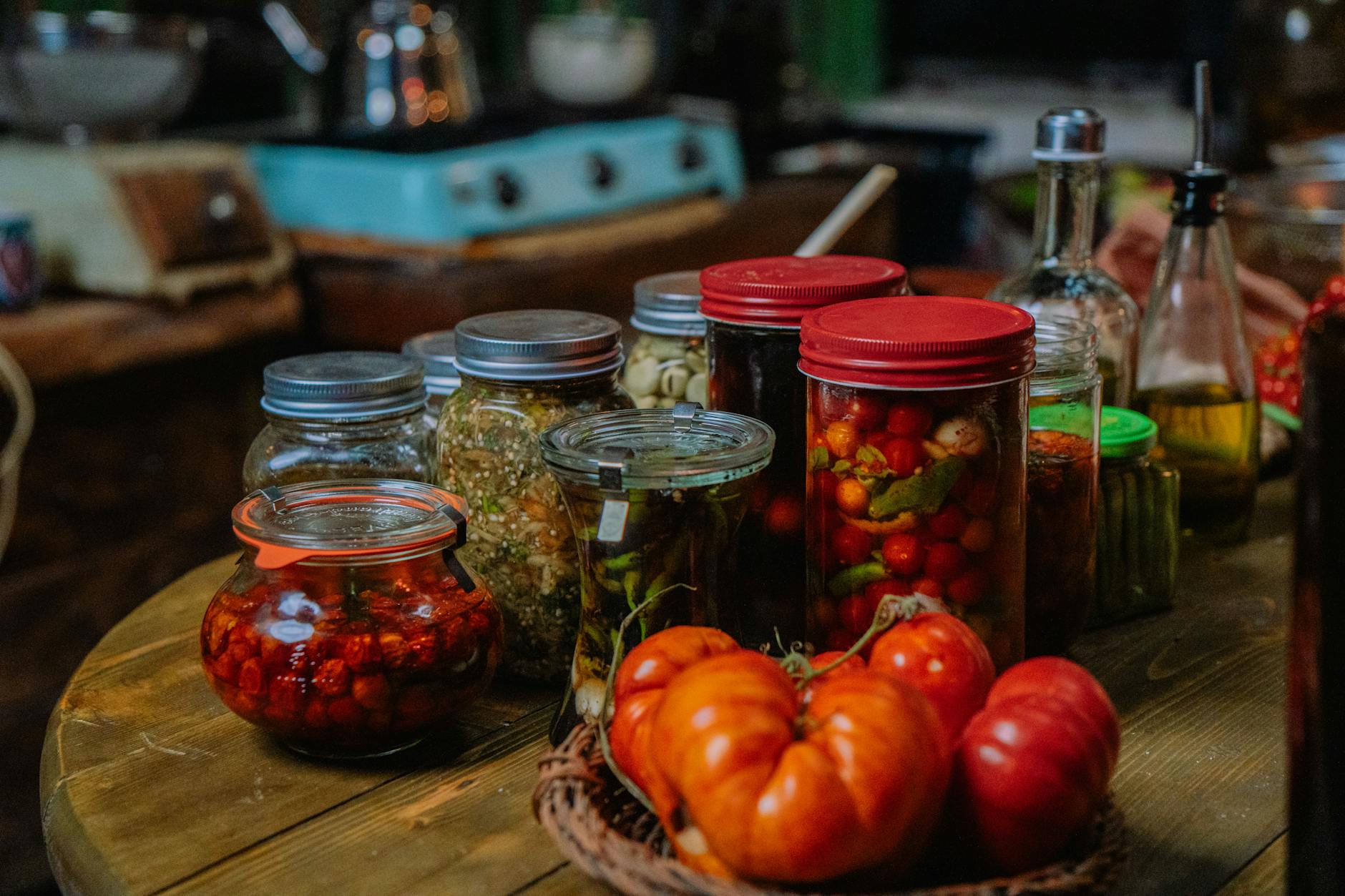
Food preservation extends shelf life and prevents spoilage through five essential methods: freezing, canning, dehydrating, fermentation, and salt curing, which can reduce household food waste by 30-40% and cut grocery costs by 20-35%. These techniques work by controlling moisture, temperature, pH, and oxygen exposure to create environments hostile to bacteria, molds, and enzymes that cause food spoilage. Start with freezing (95-98% effectiveness) or simple techniques like refrigerator pickling that require minimal equipment but deliver substantial savings.
Table of Contents
- What is food preservation and why does it matter
- How food spoilage affects nutrition and safety
- Economic benefits of preserving food at home
- 5 essential food preservation methods every home cook should know
- Freezing: best practices and common mistakes
- Canning: water bath vs pressure canning explained
- Dehydrating: air drying to electric dehydrators
- Fermentation: safe fermentation for beginners
- Salt curing and smoking basics
- Food preservation methods for apartment kitchens without special equipment
- Salt preservation techniques using basic kitchen tools
- Refrigerator pickling and quick fermentation
- Air-drying herbs and vegetables in small spaces
- Cost comparison of different food preservation methods
- Initial equipment costs vs long-term savings
- Which methods save the most money on groceries
- Common food preservation failures and how to fix them
- Why canned foods spoil and prevention strategies
- Fixing freezer burn and ice crystal problems
- Troubleshooting failed fermentation
- Food preservation for specific dietary needs and allergies
- Gluten-free preservation considerations
- Low-sodium preservation alternatives
- Preserving foods for diabetic-friendly diets
- Seasonal food preservation calendar and timing guide
- Spring produce preservation priorities
- Summer harvest preservation schedule
- Fall and winter preservation planning
- Frequently asked questions about food preservation
Food preservation is the practice of treating foods to prevent spoilage and extend their shelf life through techniques like freezing, canning, dehydrating, fermenting, and salt curing. These methods have become essential for modern households seeking to reduce food waste, save money, and maintain nutritious meals year-round.
What is food preservation and why does it matter
Food preservation encompasses various techniques that slow or stop the natural decomposition process of food by controlling factors like moisture, temperature, pH, and oxygen exposure. The importance of food preservation extends far beyond convenience, addressing critical issues of food security, nutrition, and economic sustainability.
According to 2026 USDA data, American households waste between 30-40% of their food purchases annually. Food preservation methods directly combat this waste by extending the usable life of fresh produce, proteins, and prepared meals. When you preserve food at home, you’re participating in a practice that has sustained civilizations for millennia while adapting to modern nutritional understanding and safety standards.
The science behind food preservation methods targets the four main causes of food spoilage: bacteria, yeasts, molds, and enzyme activity. Each preservation technique creates an environment hostile to these spoilage agents while maintaining the food’s nutritional value and safety for human consumption.
How food spoilage affects nutrition and safety
Food spoilage begins immediately after harvest or slaughter, as cellular enzymes break down nutrients and create conditions favorable for microbial growth. Fresh vegetables lose 15-77% of their vitamin C content within the first week of storage, depending on the specific vegetable and storage conditions. Leafy greens like spinach can lose up to 90% of their vitamin C within just four days at room temperature.
Bacterial growth poses the most serious safety risk, with pathogenic organisms like Salmonella, E. coli, and Listeria multiplying rapidly in the “danger zone” between 40-140°F (4-60°C). These microorganisms can reach dangerous levels within hours under optimal conditions, making proper preservation techniques essential for preventing foodborne illness. The Centers for Disease Control estimates that improper food storage contributes to approximately 48 million cases of foodborne illness annually in the United States.
Economic benefits of preserving food at home
Home food preservation delivers substantial financial returns through reduced grocery spending and minimized food waste. The average American household spends $1,800 annually on discarded food, representing a significant opportunity for savings through proper preservation techniques. Families who actively preserve seasonal produce report grocery savings of 20-35% compared to purchasing processed or out-of-season alternatives.
Bulk purchasing during peak harvest seasons, combined with effective preservation, can reduce per-unit food costs by 40-60%. For example, preserving 20 pounds of tomatoes during peak season (costing approximately $15-20) yields the equivalent of 15-20 jars of commercial tomato products that would cost $45-60 at retail prices.
5 essential food preservation methods every home cook should know
The five most practical food preservation methods for home use are freezing, canning, dehydrating, fermentation, and salt curing, each offering distinct advantages for different foods and storage requirements. These methods have proven effectiveness rates of 85-98% for preventing spoilage when properly executed, making them reliable options for home food preservation.
Freezing achieves the highest success rate at 95-98% effectiveness for most foods, while canning properly executed reaches 98-99% effectiveness for acidic foods and pressure-canned low-acid foods. Dehydration shows 90-95% effectiveness when moisture content is reduced below 20%, and fermentation maintains 85-95% success rates when proper salt concentrations and pH levels are maintained.
Each method works by controlling different spoilage factors: freezing halts microbial activity through temperature control, canning uses heat to eliminate microorganisms, dehydration removes moisture necessary for bacterial growth, fermentation creates acidic environments hostile to pathogens, and salt curing draws out moisture while creating inhospitable conditions for harmful bacteria.
Freezing: best practices and common mistakes
Proper freezing requires maintaining temperatures at -18°C (0°F) or below and using appropriate packaging to prevent freezer burn and maintain food quality.
-
Pre-freeze preparation: Blanch vegetables for 2-5 minutes before freezing to halt enzyme activity that causes texture and color degradation. Cool immediately in ice water after blanching.
-
Packaging selection: Use vapor-proof materials like heavy-duty freezer bags, vacuum-sealed packages, or rigid containers with tight-fitting lids. Remove as much air as possible to prevent oxidation.
-
Portion control: Freeze foods in meal-sized portions for faster freezing and convenient thawing. Flat packaging allows faster freezing and easier storage.
-
Temperature monitoring: Maintain consistent freezer temperatures at 0°F (-18°C) or below. Temperature fluctuations above 10°F (-12°C) significantly reduce food quality and storage life.
-
Storage duration limits: Most vegetables maintain quality for 8-12 months, fruits for 6-12 months, and properly wrapped meats for 4-12 months depending on the cut.
-
Labeling system: Include contents and freezing date on all packages. Use oldest items first to maintain rotation.
Common freezing mistakes include freezing foods at room temperature (causing large ice crystals), overpacking the freezer (preventing proper air circulation), and refreezing thawed foods (compromising safety and quality).
Canning: water bath vs pressure canning explained
Water bath canning works for high-acid foods (pH 4.6 or lower) using boiling water, while pressure canning is required for low-acid foods that need higher temperatures to eliminate dangerous bacteria.
| Method | Temperature | Suitable Foods | Processing Time | Equipment Cost |
|---|---|---|---|---|
| Water Bath | 212°F (100°C) | Fruits, jams, pickles, tomatoes with acid | 5-85 minutes | $30-60 |
| Pressure Canning | 240-250°F (116-121°C) | Vegetables, meats, soups, beans | 20-100 minutes | $80-200 |
Water bath canning effectively preserves naturally acidic foods like fruits, properly acidified tomatoes, and pickled vegetables. The boiling water temperature eliminates harmful microorganisms that can survive in acidic environments. Processing times vary from 5 minutes for small jars of jam to 85 minutes for large containers of whole tomatoes.
Pressure canning generates higher temperatures necessary to eliminate Clostridium botulinum spores in low-acid foods. These spores can survive boiling water temperatures but are destroyed at 240°F (116°C) or higher. The National Center for Home Food Preservation provides comprehensive guidelines for safe canning practices and processing times.
Dehydrating: air drying to electric dehydrators
Successful dehydration removes 80-95% of moisture content, reducing water activity below levels that support microbial growth while concentrating flavors and nutrients.
-
Air drying: Suitable for herbs, hot peppers, and certain fruits in dry climates. Requires temperatures between 85-95°F (29-35°C) and humidity below 60% for 3-14 days.
-
Oven drying: Set oven to lowest temperature (140-170°F/60-77°C) with door slightly open for air circulation. Process times range from 6-24 hours depending on food type and thickness.
-
Electric dehydrators: Maintain consistent temperatures between 95-160°F (35-71°C) with built-in fans for even air circulation. Most foods complete drying in 4-24 hours.
-
Solar dehydrators: Passive solar designs reach 100-140°F (38-60°C) during sunny conditions. Cost-effective for areas with consistent sunshine and low humidity.
Target moisture content varies by food type: fruits should reach 15-20% moisture content, vegetables 5-10%, and meats for jerky should achieve 15-20%. Properly dehydrated foods maintain quality for 6-12 months when stored in airtight containers away from light and heat.
Fermentation: safe fermentation for beginners
Safe fermentation relies on creating an environment where beneficial bacteria thrive while preventing harmful microorganisms through proper salt concentrations and anaerobic conditions.
-
Salt concentration: Use 2-3% salt by weight for most vegetable ferments. Weigh vegetables and salt separately, then combine thoroughly to extract moisture.
-
Submersion: Keep all vegetables below the brine surface using fermentation weights or clean stones. Exposure to air allows mold growth and spoilage.
-
Container selection: Use glass, food-grade plastic, or ceramic containers. Avoid metal containers that can react with acidic fermentation byproducts.
-
Temperature control: Maintain fermentation temperatures between 65-75°F (18-24°C) for consistent results. Higher temperatures accelerate fermentation but may produce off-flavors.
-
Timing: Most vegetable ferments develop proper acidity in 3-4 weeks at room temperature. Taste regularly after day 3 to monitor progress.
-
pH monitoring: Finished ferments should reach pH 4.0 or lower for safety. Use pH strips or digital meters to verify acidity levels.
Successful fermentation produces lactic acid, which preserves vegetables while creating beneficial probiotics. The process also enhances certain nutrients, making fermented foods more digestible than their fresh counterparts.
Salt curing and smoking basics
Salt curing draws moisture from foods while creating an inhospitable environment for harmful bacteria through dehydration and salt concentration. Basic salt curing uses a 3:1 ratio of kosher salt to sugar, applying 1-2 tablespoons per pound of meat or fish. Curing times range from 4-6 hours for fish fillets to 24-48 hours for larger cuts.
Cold smoking (80-90°F/27-32°C) adds flavor while relying on prior salt curing for preservation, requiring 6-48 hours depending on desired intensity. Hot smoking (225-250°F/107-121°C) both cooks and flavors food simultaneously, typically completing in 2-8 hours. Both methods require proper ventilation and temperature control to ensure food safety. Wood selection affects flavor profiles, with fruit woods providing mild flavors and hardwoods like hickory or oak delivering stronger tastes.
Food preservation methods for apartment kitchens without special equipment
Apartment dwellers can successfully preserve foods using basic kitchen tools and creative storage solutions, focusing on methods that require minimal space and equipment.
Salt preservation techniques using basic kitchen tools
- Quick salt curing: Use regular table salt or kosher salt to cure small portions of fish, herbs, or vegetables in standard refrigerator containers
- Herb preservation: Layer fresh herbs with coarse salt in mason jars, creating preserved herbs that last 6-12 months
- Vegetable salt preservation: Create salt-preserved vegetables using mixing bowls and standard kitchen scales for proper salt ratios
- Cheese preservation: Wrap soft cheeses in salt-dampened cloth for extended refrigerator storage without specialized cheese caves
Refrigerator pickling and quick fermentation
- Quick pickles: Use standard glass jars with vinegar-based brines that preserve vegetables for 2-6 weeks in refrigeration
- Refrigerator fermentation: Conduct slow fermentation at refrigerator temperatures (35-40°F) for controlled, extended fermentation periods
- Mason jar ferments: Create small-batch ferments using regular mason jars with improvised airlock systems using plastic wrap and rubber bands
- Counter fermentation: Utilize countertop space for 3-7 day fermentation periods before transferring to refrigerator storage
Air-drying herbs and vegetables in small spaces
- Hanging bundles: Use ceiling hooks, curtain rods, or cabinet handles to hang herb bundles in well-ventilated areas
- Screen drying: Repurpose window screens or cooling racks elevated on books for flat drying of vegetables and fruits
- Paper bag drying: Use paper bags with holes punched for air circulation to dry herbs and small vegetables
- Radiator drying: Utilize apartment heating systems during winter months for gentle, consistent drying temperatures
Cost comparison of different food preservation methods
Initial equipment investments vary significantly between preservation methods, but long-term cost savings make most methods financially beneficial within the first year of regular use.
Initial equipment costs vs long-term savings
| Method | Startup Cost | Annual Operating Cost | Cost per Preserved Serving | Break-even Timeline |
|---|---|---|---|---|
| Freezing | $0-300 | $50-120 (electricity) | $0.15-0.30 | 3-6 months |
| Water Bath Canning | $30-80 | $20-40 (jars, lids) | $0.25-0.45 | 4-8 months |
| Pressure Canning | $80-250 | $30-60 (jars, lids) | $0.30-0.50 | 6-12 months |
| Dehydration | $30-400 | $15-50 (electricity) | $0.20-0.40 | 4-10 months |
| Fermentation | $10-50 | $5-20 (salt, containers) | $0.10-0.25 | 2-4 months |
| Salt Curing | $5-30 | $10-30 (salt, spices) | $0.15-0.35 | 2-6 months |
Freezing requires the highest initial investment when purchasing a dedicated freezer but offers the lowest per-serving costs for bulk preservation. Fermentation and salt curing demand minimal startup costs while providing excellent returns on investment through reduced grocery spending.
Which methods save the most money on groceries
Fermentation delivers the highest grocery savings potential, reducing costs by 60-80% compared to purchasing commercial fermented products. A $2 investment in cabbage and salt produces the equivalent of $12-15 worth of commercial sauerkraut. Dehydration offers substantial savings on herbs and seasonal produce, with $20 worth of fresh herbs yielding $80-100 worth of dried equivalents.
Freezing provides consistent savings across all food categories, particularly effective for bulk meat purchases and seasonal produce preservation. The USDA Economic Research Service reports that households using multiple preservation methods average 25-35% lower grocery costs compared to households relying solely on fresh purchases.
Canning shows moderate savings for most foods but exceptional returns for tomato products, jams, and pickles. The key to maximizing savings lies in combining methods strategically based on seasonal availability and household consumption patterns.
Common food preservation failures and how to fix them
Most preservation failures result from improper temperature control, inadequate processing times, or contamination during preparation, but these issues can be prevented with careful attention to established protocols.
Why canned foods spoil and prevention strategies
- Insufficient processing time: Follow tested recipes exactly, adjusting for altitude when necessary. Under-processing fails to eliminate all microorganisms
- Improper sealing: Check jar seals 12-24 hours after processing. Failed seals indicate inadequate vacuum formation or damaged equipment
- Temperature fluctuations: Maintain consistent processing temperatures throughout the entire canning process. Temperature drops allow bacterial survival
- Contaminated equipment: Sterilize all canning equipment before use. Clean equipment prevents introduction of harmful microorganisms
- Recipe modifications: Never alter acid levels, salt concentrations, or processing times in tested recipes. These modifications compromise safety margins
Fixing freezer burn and ice crystal problems
- Package selection: Use moisture-proof, vapor-resistant packaging specifically designed for freezer storage. Regular storage bags allow moisture migration
- Air removal: Extract maximum air from packages using vacuum sealers or manual pressing techniques. Residual air causes oxidation and ice formation
- Temperature stability: Avoid frequent freezer door openings and maintain consistent temperatures. Temperature fluctuations cause ice crystal formation
- Rapid freezing: Freeze foods quickly by spreading items in single layers initially. Slow freezing creates large ice crystals that damage food structure
- Storage rotation: Use frozen foods within recommended timeframes. Extended storage increases likelihood of quality degradation
Troubleshooting failed fermentation
- Mold growth: Remove entire batch immediately if any mold appears. Mold indicates oxygen exposure or contamination during preparation
- Off-flavors: Check salt concentrations and fermentation temperatures. Insufficient salt or excessive heat produces undesirable bacterial growth
- Soft textures: Use fresh, crisp vegetables and proper salt concentrations. Old vegetables or inadequate salt fail to maintain structural integrity
- Slow fermentation: Increase temperature slightly or check salt measurements. Cold temperatures and excessive salt slow beneficial bacterial activity
- No fermentation activity: Verify salt wasn’t treated with anti-caking agents that inhibit bacterial growth. Use pure salt without additives
Food preservation for specific dietary needs and allergies
Modified preservation techniques accommodate various dietary restrictions while maintaining food safety and nutritional value through ingredient substitutions and adjusted processing methods.
Gluten-free preservation considerations
- Thickening agents: Replace wheat flour with cornstarch, arrowroot, or rice flour in canned sauces and soups. These alternatives provide similar thickening properties without gluten
- Fermentation starters: Use gluten-free grains like rice or millet for fermentation cultures instead of wheat-based starters
- Cross-contamination prevention: Dedicate specific equipment and storage containers exclusively for gluten-free preservation to prevent contamination
- Label verification: Check all preservation ingredients including vinegars, salts, and spices for hidden gluten sources before use
Low-sodium preservation alternatives
- Acid preservation: Increase vinegar concentrations in pickling to compensate for reduced salt while maintaining preservation effectiveness
- Herb and spice enhancement: Use stronger flavoring agents like garlic, ginger, and aromatic herbs to replace salt’s flavor contribution
- Fermentation modifications: Extend fermentation times slightly to develop proper acidity with reduced salt concentrations, monitoring pH carefully
- Pressure canning adaptations: Follow low-sodium tested recipes that maintain safety while reducing sodium content by 30-50%
Preserving foods for diabetic-friendly diets
- Sugar-free preserving: Use artificial sweeteners designed for cooking, or rely on natural fruit sugars and acid preservation methods
- Reduced carbohydrate options: Focus on vegetable preservation rather than fruit-based preserves to minimize carbohydrate content
- Portion control preservation: Package preserved foods in single-serving containers for better portion management and blood sugar control
- Fiber-rich preservation: Emphasize preservation of high-fiber vegetables and low-glycemic fruits to support blood sugar stability
Seasonal food preservation calendar and timing guide
Strategic timing of preservation activities maximizes food quality, minimizes costs, and ensures year-round access to seasonal produce at peak nutritional value.
Spring produce preservation priorities
| Month | Primary Foods | Preservation Methods | Peak Quality Window |
|---|---|---|---|
| March | Asparagus, spring onions | Freezing, pickling | 2-3 weeks |
| April | Strawberries, rhubarb, peas | Freezing, jam-making | 3-4 weeks |
| May | Spinach, lettuce, radishes | Dehydration, fermentation | 2-3 weeks |
Spring preservation focuses on tender vegetables and early fruits that have short harvest windows. Asparagus requires immediate processing due to rapid quality decline, while strawberries offer excellent freezing potential when processed within 24 hours of harvest.
Summer harvest preservation schedule
| Month | Primary Foods | Preservation Methods | Peak Quality Window |
|---|---|---|---|
| June | Berries, early tomatoes | Freezing, dehydration | 1-2 weeks |
| July | Stone fruits, beans, zucchini | Canning, freezing, pickling | 2-4 weeks |
| August | Tomatoes, corn, peppers | Canning, freezing, drying | 3-5 weeks |
| September | Apples, late tomatoes | Canning, dehydration | 4-6 weeks |
Summer represents peak preservation season with abundant produce requiring immediate attention. The National Agricultural Statistics Service tracks harvest timing across regions, helping home preservers plan activities around local peak seasons.
Fall and winter preservation planning
| Month | Primary Foods | Preservation Methods | Storage Focus |
|---|---|---|---|
| October | Root vegetables, winter squash | Root cellaring, dehydration | Long-term storage |
| November | Cranberries, late apples | Freezing, sauce-making | Holiday preparation |
| December | Citrus fruits, preserved planning | Marmalade, fermentation | Next year planning |
Fall preservation emphasizes long-term storage foods that sustain households through winter months. Root vegetables store well in cool, humid conditions, while citrus fruits provide vitamin C preservation opportunities during low-fresh-produce months.
Frequently asked questions about food preservation
How long do home-preserved foods stay safe to eat? Properly preserved foods maintain safety and quality for 6 months to 2 years depending on the preservation method and storage conditions. Frozen foods remain safe indefinitely but quality deteriorates after 6-12 months. Canned foods stay safe for 2-5 years when stored in cool, dry conditions.
Can I modify recipes for food preservation? Never modify tested preservation recipes regarding acid levels, salt concentrations, or processing times, as these changes can compromise food safety. You can safely adjust herbs, spices, and other flavoring agents that don’t affect preservation chemistry.
What’s the safest preservation method for beginners? Freezing offers the safest starting point for preservation beginners because it requires minimal equipment and technique while providing excellent results. Water bath canning of high-acid foods like jams and pickles provides a good introduction to more advanced preservation methods.
How do I know if preserved food has spoiled? Signs of spoilage include off-odors, unusual colors, mold growth, bulging cans, or texture changes. When in doubt, discard questionable preserved foods. Trust your senses and never taste suspected spoiled foods.
Is home food preservation actually cost-effective? Home preservation typically saves 20-40% on food costs while providing higher quality products than many commercial alternatives. Initial equipment investments pay for themselves within 6-12 months of regular use through reduced grocery spending and decreased food waste.
Related reading: Complete Guide to Food Preservation Methods.
Related reading: Cooking Techniques: Master 2026 Methods for.