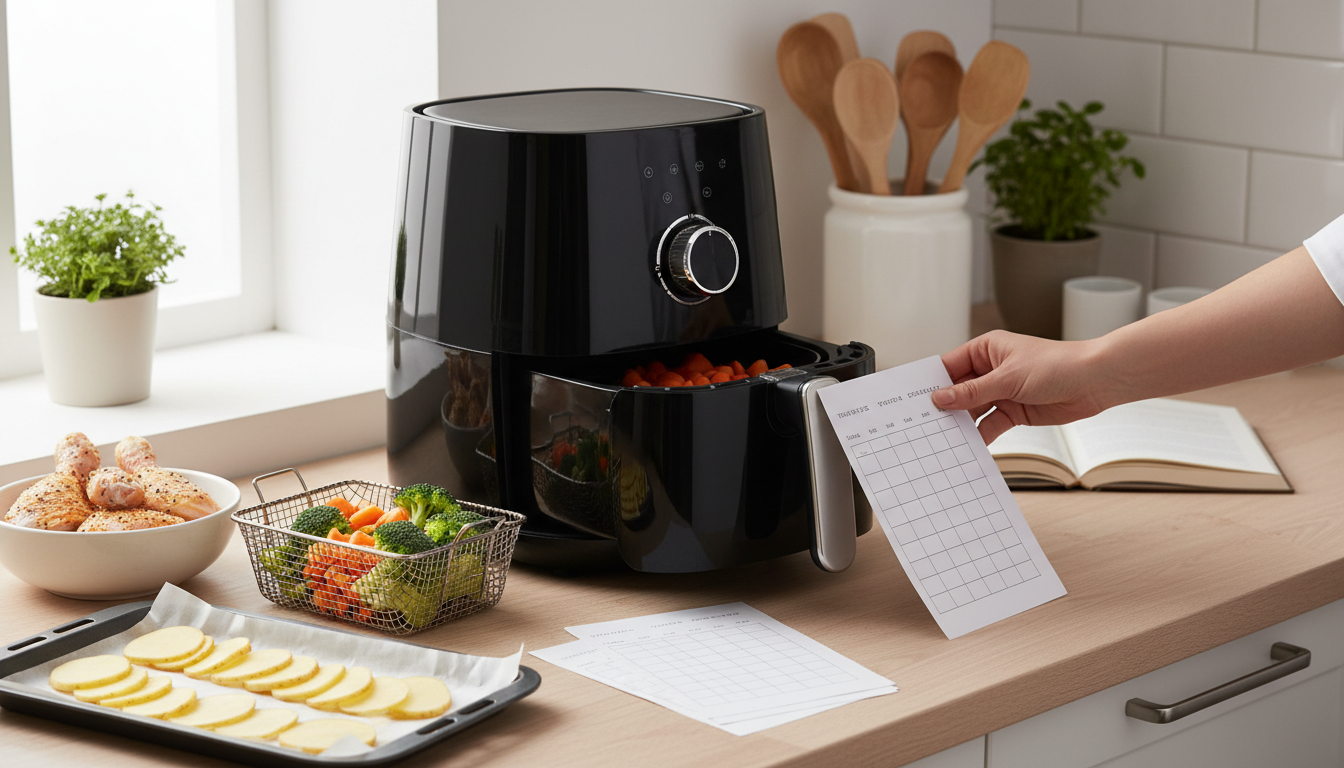
Air fryers have revolutionized home cooking in 2026, becoming an essential kitchen appliance for health-conscious cooks everywhere. If you’ve recently purchased an air fryer or are considering investing in one, this comprehensive guide will help you master this versatile cooking method with confidence.
Table of Contents
Why Air Fryers Are Taking Over Kitchens in 2026
Air fryers have transitioned from trendy kitchen gadgets to staple cooking appliances that millions of households rely on daily. These compact convection ovens use rapid air circulation technology to cook food with little to no oil, producing crispy results that rival deep frying while significantly reducing calories and fat content.
The appeal extends beyond health benefits. Air fryers cook faster than traditional ovens, consume less energy, and produce minimal mess compared to stovetop cooking. Whether you’re meal prepping for the week or preparing quick weeknight dinners, air fryers deliver consistent results that even beginners can achieve.
Understanding Your Air Fryer: The Basics
How Air Fryers Work
Air fryers operate through a heating element that rapidly circulates hot air around your food at temperatures typically ranging from 160°F to 400°F. This intense heat circulation creates a crispy exterior through the Maillard reaction while keeping the interior tender and moist.
Unlike traditional deep fryers that submerge food in oil, air fryers require only a light coating or spray of oil, making them significantly healthier. The air circulation is so efficient that you’ll achieve that coveted crispiness with minimal oil—sometimes none at all.
Choosing the Right Air Fryer
Before diving into cooking, select an air fryer that matches your needs. Consider:
- Capacity: Single-person or couple? A 2-3 quart model works. Families? Invest in a 5-6 quart capacity.
- Shape: Basket-style air fryers are compact and affordable. Oven-style models offer larger capacity and multiple racks.
- Features: Digital controls, preset cooking programs, and shake reminders enhance convenience.
- Brand reliability: Established brands in 2026 offer better warranties and customer support.
When researching air fryer models, check out our comprehensive review of trending kitchen gadgets that will transform your cooking to see how air fryers compare to other innovative appliances available in 2026.
Essential Air Fryer Cooking Tips for Success
Preparation is Key
Proper preparation ensures consistent, delicious results:
- Pat food dry: Moisture prevents crispiness. Always pat proteins and vegetables with paper towels before cooking.
- Don’t overcrowd: Leave space for air circulation. Arrange food in a single layer when possible.
- Preheat when necessary: For best results with proteins, preheat your air fryer for 3-5 minutes.
- Use minimal oil: A light spray or brush of oil enhances browning without adding excessive fat.
- Season generously: Air frying concentrates flavors, so season more liberally than you would for baking.
Temperature and Timing Fundamentals
Temperature control is crucial for air frying success. Higher temperatures (375-400°F) create crispier exteriors, while lower temperatures (320-360°F) work better for thicker cuts that need gentle cooking throughout.
Timing varies based on food type, thickness, and your specific air fryer model. Always check food at the minimum recommended time, as most air fryers cook faster than traditional methods.
Complete Air Fryer Cooking Timing Chart
Proteins
Chicken Breast: 350°F for 12-15 minutes (flip halfway)
Chicken Thighs: 375°F for 15-18 minutes
Ground Beef Patties: 370°F for 10-12 minutes
Salmon Fillets: 380°F for 8-10 minutes
Pork Chops: 375°F for 12-15 minutes
Shrimp: 400°F for 5-7 minutes
For those following plant-based diets, these temperatures and techniques work wonderfully with high-protein plant-based alternatives that crisp beautifully in the air fryer.
Vegetables
Broccoli: 375°F for 10-12 minutes
Brussels Sprouts: 380°F for 12-15 minutes
Asparagus: 370°F for 8-10 minutes
Zucchini: 375°F for 10-12 minutes
Sweet Potato Fries: 380°F for 15-18 minutes
Cauliflower: 375°F for 12-15 minutes
Frozen Foods
Frozen Chicken Wings: 380°F for 15-18 minutes (shake halfway)
Frozen French Fries: 380°F for 12-15 minutes
Frozen Fish Sticks: 375°F for 10-12 minutes
Frozen Mozzarella Sticks: 350°F for 6-8 minutes
Advanced Air Fryer Techniques
Layering and Batch Cooking
For oven-style air fryers with multiple racks, you can cook different items simultaneously. Place items requiring longer cooking times on lower racks and quicker-cooking foods on upper racks. Rotate racks halfway through cooking for even results.
Achieving Perfect Crispiness
For extra-crispy results, increase temperature by 25°F and reduce cooking time by 2-3 minutes. Shake or flip food halfway through cooking to ensure even air exposure. This technique works exceptionally well for chicken wings and vegetable chips.
Creating Restaurant-Quality Dishes
Layering flavors transforms simple ingredients into gourmet meals. Use marinades for proteins, season vegetables with herbs and spices, and consider finishing dishes with fresh garnishes or sauces immediately after cooking.
While air frying excels at creating crispy textures, don’t overlook other efficient cooking methods like sheet pan dinners which can complement your air fryer meals for complete, balanced weeknight dinners.
Common Air Fryer Mistakes to Avoid
Overcrowding the Basket
This is the most common beginner mistake. Overcrowding blocks air circulation, resulting in unevenly cooked food with soggy spots. Cook in batches if necessary—the speed of air frying makes this practical.
Using Too Much Oil
While oil enhances browni
Frequently Asked Questions
What can I not cook in an air fryer?
Avoid wet batters, large roasts that don’t fit, leafy greens that blow around, and foods with excessive cheese that drips. Liquid-heavy sauces are better for the oven or stovetop.
Is air fryer food actually healthy?
Air frying uses 70-80% less oil than deep frying. The nutritional quality depends on the ingredients. Air frying lean proteins and vegetables is a genuinely healthy cooking method.
What size air fryer do I need?
For 1-2 people, a 2-3 quart model suffices. Families of 3-4 need 4-6 quarts. For batch cooking or large families, 6-8+ quart models or air fryer ovens work best.
Can I reheat leftovers in an air fryer?
Yes — the air fryer excels at reheating pizza, fries, and fried chicken that go soggy in the microwave. Reheat at 325-350°F for 3-6 minutes to restore crispiness.
Do I need to flip food when air frying?
For most proteins and thick vegetables, flip halfway through for even browning. Thin, lightweight items may not need flipping if air can circulate freely around them.
Continue Reading
- 10 Easy Air Fryer Recipes for Busy Weeknights in 2026: Quick, Healthy Dinners
- How to Master Sourdough Baking: A Complete Beginner’s Guide for 2026
- Best Slow Cooker Crock Pot Chicken Recipes That Always Turn Out Perfect