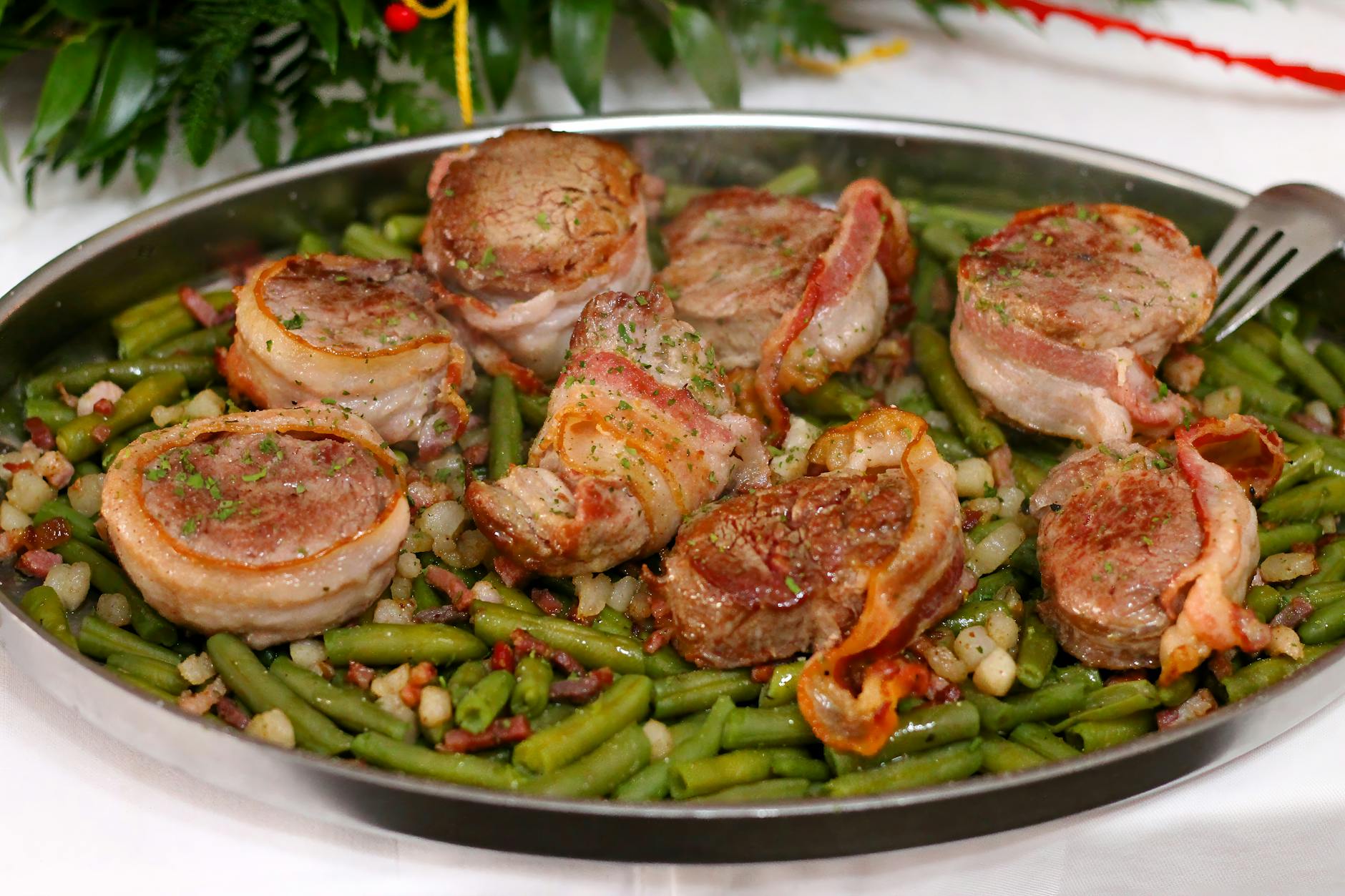
Easy dinner recipes can be prepared in 30 minutes or less using 10 ingredients or fewer, with the most efficient options taking just 15 minutes and requiring only 5 ingredients. One-pot meals, sheet pan dinners, and stir-fries minimize both prep time and cleanup while delivering complete, nutritious family meals. The key is focusing on high-impact ingredients like eggs, pasta, and quick-cooking proteins combined with simple cooking methods that maximize flavor.
Table of Contents
- What makes a dinner recipe truly easy for busy families?
- 15-minute easy dinner recipes with 5 ingredients or less
- Quick pasta dishes that cook in one pot
- Simple stir-fry recipes for two people
- Easy egg-based dinners ready in minutes
- Easy dinner recipes for beginners who hate cooking
- No-chop sheet pan meals
- Dump-and-go slow cooker dinners
- Easy dinner recipes that picky eaters actually love
- Easy dinner ideas for family meals (serves 4-6)
- Budget-friendly family dinners under $15
- Easy dinner recipes Indian families make on repeat
- Lazy dinner ideas that still impress
- Easy dinner recipes using only pantry staples
- Canned goods combinations that taste homemade
- Easy dinner recipes no meat required
- Easy one-pot dinner recipes for small kitchens
- Skillet dinners that minimize cleanup
- Instant Pot easy dinner recipes for beginners
- Easy dinner meal prep for busy weeknights
- Make-ahead components that save 20+ minutes
- Freezer-friendly easy dinner recipes
Easy dinner recipes are complete, satisfying meals that can be prepared in 30 minutes or less using common ingredients and basic cooking techniques. Whether you’re feeding a family or cooking for two, the right approach transforms weeknight cooking from stressful to manageable.
What makes a dinner recipe truly easy for busy families?
A truly easy dinner recipe combines minimal prep time, accessible ingredients, and straightforward cooking methods that deliver consistent results. According to 2026 cooking surveys, the average American spends just 25 minutes preparing weeknight dinners, making efficiency paramount.
Easy dinner recipes share several key characteristics: they use 10 ingredients or fewer, require minimal knife work, and utilize one or two cooking methods maximum. The most successful weeknight meals rely on pantry staples combined with one or two fresh components. They also accommodate common dietary restrictions and appeal to multiple family members simultaneously.
Effective easy dinner recipes also consider cleanup time. Single-pan meals, sheet pan dinners, and slow cooker recipes minimize post-dinner kitchen work, which matters as much as cooking time for busy households. The best recipes also scale easily, allowing you to cook for two or expand portions for unexpected guests.
15-minute easy dinner recipes with 5 ingredients or less
Complete, nutritious dinners can be prepared in 15 minutes using just 5 ingredients when you focus on high-impact components and efficient cooking methods. These recipes maximize flavor while minimizing both prep and cook time.
-
Garlic Butter Shrimp Pasta (12 minutes): Cook 8 oz pasta, sauté 1 lb shrimp with 4 cloves minced garlic in butter, toss with pasta and parmesan. Prep: 2 minutes.
-
Caprese Chicken Skillet (15 minutes): Pan-sear chicken breasts, top with cherry tomatoes, mozzarella, and basil. Cover to melt cheese. Prep: 3 minutes.
-
Teriyaki Salmon Bowls (13 minutes): Broil salmon fillets brushed with teriyaki sauce, serve over microwaved rice with steamed broccoli. Prep: 2 minutes.
-
Breakfast for Dinner Scramble (8 minutes): Scramble eggs with diced ham and cheese, serve with toast and fruit. Prep: 3 minutes.
-
Taco Pasta (14 minutes): Brown ground turkey, add taco seasoning and salsa, toss with cooked pasta and cheese. Prep: 4 minutes.
-
Pesto Gnocchi (10 minutes): Boil potato gnocchi, toss with store-bought pesto, cherry tomatoes, and mozzarella. Prep: 2 minutes.
-
BBQ Chicken Flatbread (12 minutes): Top naan with BBQ sauce, rotisserie chicken, red onion, and cheese. Bake until crispy. Prep: 4 minutes.
-
Lemon Herb Cod (15 minutes): Bake cod fillets with lemon, herbs, and olive oil, serve with microwave vegetables. Prep: 3 minutes.
The USDA FoodData Central provides nutritional information for meal planning when working with minimal ingredients.
Quick pasta dishes that cook in one pot
One-pot pasta dishes eliminate multiple pans while creating complete meals where pasta cooks directly in the sauce for maximum flavor absorption. Use a 3:1 liquid-to-pasta ratio for optimal results.
- One-Pot Chicken Alfredo: Combine 12 oz pasta, 3 cups chicken broth, 1 cup heavy cream, and seasoned chicken pieces. Cook 15 minutes, stirring occasionally. Add parmesan during final 2 minutes.
- Tomato Basil One-Pot Pasta: Cook pasta with canned tomatoes, vegetable broth, garlic, and Italian seasoning for 14 minutes. Finish with fresh basil and mozzarella.
- Cajun Sausage Pasta: Sauté sliced andouille sausage, add pasta, diced tomatoes, bell peppers, and broth. Simmer 16 minutes with Cajun spices.
- Mediterranean One-Pot Orzo: Cook orzo with vegetable broth, diced tomatoes, olives, feta, and spinach for 12 minutes. Add lemon juice before serving.
Simple stir-fry recipes for two people
Successful stir-fries for couples require proper portioning and high-heat cooking to achieve restaurant-quality results in small batches. Use 6-8 oz protein and 2-3 cups vegetables for two generous servings.
-
Honey Garlic Chicken Stir-Fry: Heat wok to 400°F. Cook 6 oz diced chicken 3 minutes, add 2 cups mixed vegetables, stir-fry 4 minutes. Toss with honey-soy-garlic sauce. Total time: 8 minutes active cooking.
-
Beef and Broccoli: Stir-fry 6 oz sliced beef 2 minutes, remove. Cook 2 cups broccoli florets 3 minutes, return beef, add sauce. Cook 2 minutes more.
-
Shrimp Fried Rice: Use day-old rice (1.5 cups). Scramble 2 eggs, set aside. Stir-fry 6 oz shrimp, add rice, vegetables, eggs back in final minute.
Maintain wok temperature between 375-400°F for proper searing. Cook proteins first, then vegetables by density (hard vegetables before soft ones).
Easy egg-based dinners ready in minutes
Eggs provide complete protein and cook quickly, making them ideal for satisfying dinner solutions beyond traditional breakfast fare. One large egg contains approximately 6 grams of high-quality protein.
- Shakshuka: Simmer eggs in spiced tomato sauce (8 minutes cooking time). Serves 2-3, provides 14g protein per serving.
- Dinner Frittata: Whisk 8 eggs with vegetables and cheese, cook stovetop 5 minutes, finish under broiler 3 minutes. Serves 4, provides 18g protein per serving.
- Carbonara: Toss hot pasta with egg-parmesan mixture and bacon (6 minutes). Serves 2, provides 22g protein per serving.
- Spanish Tortilla: Layer thinly sliced potatoes with eggs, cook low and slow 12 minutes total. Serves 3-4, provides 16g protein per serving.
Easy dinner recipes for beginners who hate cooking
Cooking becomes less intimidating when you master a few reliable techniques that work across multiple recipes, building confidence through consistent success. Start with forgiving cooking methods like roasting and slow cooking that are difficult to overcook.
Beginners benefit most from recipes with visual cues rather than exact timing. Focus on techniques where “done” is obvious: cheese melted and bubbly, meat no longer pink, vegetables tender when pierced with a fork. These visual markers build cooking intuition faster than following timers.
Successful beginner cooking also relies on mise en place – preparing all ingredients before starting. This prevents rushed mistakes and allows you to focus on the cooking process rather than scrambling for ingredients mid-recipe.
-
Master the sheet pan method: Arrange protein and vegetables on one pan, season, roast at 425°F until done. This technique works for chicken thighs with vegetables (25 minutes), salmon with asparagus (15 minutes), or sausages with peppers (20 minutes).
-
Learn the pasta plus protein formula: Cook pasta according to package directions. In the final 3 minutes, add frozen vegetables to the pasta water. Drain, toss with pre-cooked protein and sauce.
-
Practice the basic sauté: Heat oil in pan, add protein, cook until browned and cooked through. Remove protein, add vegetables to same pan, cook until tender. Return protein to pan with sauce.
No-chop sheet pan meals
Sheet pan meals eliminate knife skills by using pre-cut vegetables, whole small vegetables, and proteins that require minimal preparation. Cook at 425°F for even browning and optimal timing across ingredients.
- Sausage and Baby Potatoes: Halved baby potatoes, whole cherry tomatoes, bell pepper strips, Italian sausages. 25 minutes at 425°F.
- Salmon and Asparagus: Salmon fillets, whole asparagus spears, halved baby potatoes. Season with lemon and herbs. 18 minutes at 425°F.
- Chicken Thighs with Root Vegetables: Bone-in thighs, baby carrots, halved small onions, Brussels sprouts. 30 minutes at 425°F.
- Kielbasa and Cabbage: Sliced kielbasa, cabbage wedges, halved small apples, whole pearl onions. 22 minutes at 425°F.
- Mediterranean Chicken: Chicken breasts, whole cherry tomatoes, olives, artichoke hearts, red onion wedges. 20 minutes at 425°F.
Dump-and-go slow cooker dinners
Slow cooker success requires minimal prep while ensuring food safety through proper cooking temperatures and liquid ratios. All slow cooker meals should reach an internal temperature of 165°F for poultry and 145°F for other proteins.
-
Chicken and Rice: Combine 4 chicken breasts, 1.5 cups rice, 3 cups chicken broth, frozen vegetables, and seasonings. Cook on low 4 hours. Check that chicken reaches 165°F internally.
-
Beef Stew: Add cubed beef, potatoes, carrots, onions, beef broth, and seasonings. Cook on low 6 hours until beef shreds easily.
-
Lentil Curry: Combine lentils, diced tomatoes, coconut milk, curry powder, and vegetables. Cook on low 5 hours until lentils are tender.
-
Pork Chops with Vegetables: Layer pork chops with sliced onions, potatoes, and cream of mushroom soup. Cook on low 5 hours until pork reaches 145°F.
The USDA Food Safety and Inspection Service provides comprehensive guidelines for safe slow cooking temperatures.
Easy dinner recipes that picky eaters actually love
Picky eater success comes from familiar flavors, customizable components, and textures that don’t surprise or overwhelm. Focus on mild seasonings and separate sauce servings for individual control.
- Build-Your-Own Taco Bar: Seasoned ground beef, soft and hard shells, cheese, lettuce, tomatoes, sour cream served separately. Each person customizes their meal.
- Baked Chicken Tenders: Homemade chicken strips with multiple dipping sauce options (ranch, honey mustard, barbecue). Serve with simple sides like rice or plain pasta.
- Mini Meatballs with Pasta: Small, mild meatballs with marinara sauce on the side. Plain pasta allows mixing preferences.
- Grilled Cheese and Tomato Soup: Comfort food combination with options for different cheese types. Soup can be served as a dip.
- Breakfast for Dinner: Pancakes, scrambled eggs, bacon – familiar breakfast foods that feel special at dinner time.
- Plain Quesadillas: Cheese quesadillas cut into triangles with optional additions (chicken, mild salsa) served on the side.
Provide at least one familiar element in every meal and avoid mixing foods on the plate. Serve sauces and seasonings separately so each person can control their own flavor level.
Easy dinner ideas for family meals (serves 4-6)
Feeding larger groups efficiently requires recipes that scale well and use cost-effective ingredients while maintaining broad appeal. Focus on one-pot meals and recipes where sides can be prepared simultaneously with the main dish.
Successful family meals often follow the “protein plus starch plus vegetable” formula, but prepared in ways that minimize individual preparation steps. Casseroles, pasta dishes, and stir-fries work particularly well because they combine all components in single dishes.
When scaling recipes for larger families, increase seasoning gradually – don’t simply multiply spice quantities. Start with 75% of the calculated seasoning amount, taste, and adjust. Large batches can become over-seasoned quickly.
-
Calculate portions properly: Plan 4-6 oz protein per person, 1/2 cup starch per person, and 1/2 cup vegetables per person for family meals.
-
Use family-style cooking methods: Large skillets, Dutch ovens, and sheet pans accommodate bigger quantities more effectively than multiple small pans.
-
Prep ingredients in batches: Dice all vegetables at once, season all proteins together, and prepare sides that can cook simultaneously with main dishes.
Budget-friendly family dinners under $15
Strategic ingredient selection and bulk cooking techniques can feed a family of 4-6 people nutritious dinners for under $15, even with 2026 grocery prices. Focus on versatile proteins and filling starches.
| Recipe | Total Cost | Cost Per Serving | Prep Time | Serves |
|---|---|---|---|---|
| Bean and Rice Skillet | $8.50 | $1.42 | 15 min | 6 |
| Pasta with Meat Sauce | $12.00 | $2.00 | 20 min | 6 |
| Chicken and Vegetable Soup | $13.50 | $2.25 | 25 min | 6 |
| Lentil Curry with Rice | $9.00 | $1.50 | 30 min | 6 |
| Tuna Noodle Casserole | $11.00 | $1.83 | 25 min | 6 |
| Egg Fried Rice | $7.00 | $1.17 | 12 min | 6 |
Cost-saving strategies include buying proteins on sale and freezing portions, using dried beans and lentils instead of canned when time permits, and incorporating eggs as affordable complete proteins. Seasonal vegetables cost significantly less and add nutrition to budget meals.
Easy dinner recipes Indian families make on repeat
Simplified Indian-inspired dishes adapt traditional flavors for weeknight cooking using accessible spices and time-saving techniques. These recipes provide the comfort of familiar tastes without extensive preparation.
- Quick Dal: Red lentils cooked with turmeric, cumin, and garlic in 20 minutes. Substitute curry powder for garam masala if needed. Serve over rice.
- Chicken Curry in a Hurry: Boneless chicken simmered in coconut milk with curry powder, diced tomatoes, and onions. Ready in 25 minutes.
- Vegetable Biryani: Basmati rice cooked with mixed vegetables, whole spices, and saffron (or turmeric). One-pot preparation takes 30 minutes.
- Paneer Butter Masala: Cubed paneer (or firm tofu) in creamy tomato sauce. Use cashew cream or heavy cream for richness.
- Spiced Chickpea Rice: Canned chickpeas sautéed with onions, tomatoes, and spices, served over rice with yogurt.
Spice substitutions for accessibility: curry powder can replace garam masala, ground coriander and cumin can substitute for whole spices, and paprika can provide color when saffron isn’t available.
Lazy dinner ideas that still impress
Minimal-effort meals can appear intentional and sophisticated through smart ingredient selection and simple presentation techniques. Focus on high-quality prepared components combined thoughtfully.
-
Elevated frozen meals: Start with quality frozen ravioli, add butter, sage, and parmesan. Plate individually with a garnish of fresh herbs. Looks restaurant-quality, takes 8 minutes.
-
Charcuterie dinner: Arrange quality deli meats, cheeses, crackers, fruits, and nuts on a large board. Add a simple salad on the side. No cooking required.
-
Rotisserie chicken transformation: Shred store-bought rotisserie chicken into upscale presentations: chicken salad with grapes and almonds, chicken quesadillas with avocado, or chicken pasta with lemon and herbs.
-
Adult grilled cheese: Use artisan bread, multiple cheese types, and additions like caramelized onions or prosciutto. Serve with quality soup and garnish.
-
Breakfast-for-dinner upgrade: Make pancakes from scratch (only 5 more minutes than a box), add real maple syrup, fresh berries, and quality bacon. Present on individual plates.
Presentation shortcuts include using white plates (food looks more professional), adding a single herb garnish, and serving beverages in proper glassware. These small touches create special occasion feeling without additional cooking effort.
Easy dinner recipes using only pantry staples
Well-stocked pantries can produce complete, satisfying meals without fresh grocery shopping when you understand which shelf-stable ingredients work together. Focus on proteins, starches, and flavor enhancers that store well.
Effective pantry cooking relies on having versatile base ingredients: canned proteins (chicken, tuna, beans), multiple grain options (rice, pasta, quinoa), and flavor builders (canned tomatoes, broth, spices). These components can be combined in countless ways to create varied meals.
Successful pantry meals also incorporate texture variety through different cooking methods. Toasting grains before adding liquid, browning canned proteins in oil, and adding crispy elements like nuts or seeds prevent meals from becoming monotonous.
Canned Goods Foundation: Combine proteins (beans, lentils, canned chicken, tuna), vegetables (tomatoes, corn, green beans), and flavor bases (broth, coconut milk, tomato sauce) for complete meals.
Grain and Pasta Base: Rice, quinoa, pasta, and couscous serve as meal foundations that pair with any protein and vegetable combination.
Spice and Seasoning Enhancers: Curry powder, Italian seasoning, chili powder, and soy sauce transform basic ingredients into distinct cuisine styles.
Canned goods combinations that taste homemade
Elevating canned ingredients into restaurant-quality meals requires proper seasoning, texture additions, and flavor layering techniques that mask processed tastes. Fresh herbs, acid (lemon juice, vinegar), and aromatics (garlic, onions) are key enhancers.
-
Brown canned proteins first: Drain and rinse canned chicken, then sauté in oil until edges crisp. This removes processed texture and adds depth.
-
Build flavor layers: Start with sautéed onions and garlic, add spices to bloom them, then incorporate canned ingredients. This creates complex flavors.
-
Add acid and herbs: Finish dishes with lemon juice, vinegar, or fresh herbs to brighten flavors and add freshness that counteracts canned taste.
-
Create texture contrast: Add toasted nuts, crispy onions, or fresh vegetables to provide textural interest against soft canned ingredients.
-
Reduce sodium thoughtfully: Rinse high-sodium canned goods, then build flavor with herbs and spices rather than relying on salt content.
The American Heart Association provides guidelines for managing sodium intake when cooking with canned goods.
Easy dinner recipes no meat required
Plant-based dinners can be filling and protein-rich when you combine legumes with grains or include protein-dense ingredients like eggs, cheese, and nuts. Complete protein combinations provide all essential amino acids.
- Black Bean Quesadillas: Mashed black beans with cheese in tortillas. Provides 18g protein per serving when paired with Greek yogurt.
- Lentil Bolognese: Red lentils simmered in marinara sauce over pasta. One cup cooked lentils provides 18g protein.
- Chickpea Curry: Canned chickpeas in coconut curry sauce over rice. Chickpeas provide 15g protein per cup.
- Caprese Pasta: Pasta with fresh mozzarella, tomatoes, and basil. Add white beans for additional protein (15g per cup).
- Vegetarian Chili: Mixed beans with vegetables and spices. Serve with cornbread. Provides 20g protein per serving.
- Spinach and Feta Pasta: Pasta with sautéed spinach, feta cheese, and pine nuts. Feta and nuts provide complementary proteins.
Complete protein combinations include beans with rice, hummus with pita, and pasta with cheese. These combinations provide all nine essential amino acids necessary for muscle maintenance and satiety.
Easy one-pot dinner recipes for small kitchens
Small kitchen success requires maximizing limited burner space and storage through strategic equipment use and recipes that minimize dish washing. One-pot meals eliminate multiple pan juggling while creating complete, balanced dinners.
Effective small kitchen cooking prioritizes versatile equipment: a large skillet with a lid can sauté, steam, and simmer; a Dutch oven handles everything from soup to bread baking; a sheet pan accommodates roasting and baking needs. Choose recipes that utilize one primary piece of equipment from start to finish.
Timing becomes crucial in small kitchens where counter space is limited. Prep all ingredients before cooking begins, use graduated cooking times (add ingredients in order of cooking time needed), and choose recipes with natural holding points where dishes can wait without overcooking.
-
Choose the right pot size: Large skillets (12-inch) or Dutch ovens (5-6 quart) accommodate family-sized portions while fitting on standard stovetops.
-
Layer ingredients by cooking time: Add longest-cooking ingredients first, building the meal in stages without transferring between pans.
-
Plan for 15-minute cleanup: One-pot meals should generate minimal cleanup – aim for under 15 minutes total kitchen cleanup time.
Skillet dinners that minimize cleanup
Single-skillet meals create complete dinners using layered cooking techniques that build flavors while keeping everything in one pan. Proper cooking order and timing ensure all components finish simultaneously.
- Chicken and Rice Skillet: Brown chicken thighs, remove, sauté onions and garlic, add rice and broth, nestle chicken back in, simmer covered 20 minutes. Total cleanup: one skillet, one cutting board.
- Beef and Vegetable Hash: Cook ground beef, add diced potatoes, cover and cook until tender, add frozen vegetables last 5 minutes. Cleanup time: 8 minutes.
- Sausage and Peppers Pasta: Brown sliced sausage, add bell peppers and onions, add pasta and broth, simmer until pasta is tender. Single pan, 12-minute cleanup.
- Shrimp and Grits: Make grits in skillet, create well in center, sauté shrimp in the well with garlic and spices. Everything cooks in one pan.
Non-stick skillets work best for delicate proteins and easy cleanup, while cast iron provides superior heat retention for browning and can transfer to the oven. Choose based on your recipe’s primary cooking method.
Instant Pot easy dinner recipes for beginners
Pressure cooking success for beginners requires understanding safe pressure release methods and following tested timing charts for consistent results. Always use natural pressure release for large cuts of meat and quick release for vegetables.
-
Chicken and Rice: Combine 4 chicken breasts, 1.5 cups rice, 2 cups broth, vegetables. Pressure cook 12 minutes, natural release 10 minutes. Internal temperature should reach 165°F.
-
Beef Stew: Brown beef using sauté function, add vegetables and broth, pressure cook 35 minutes with natural release. Meat should shred easily when done.
-
Pasta Primavera: Layer pasta, vegetables, and broth (don’t stir). Pressure cook 5 minutes, quick release immediately to prevent overcooking.
-
Chicken Tikka Masala: Pressure cook chicken in sauce 8 minutes, natural release 5 minutes, stir in cream after cooking completes.
Conversion timing: traditional stovetop cooking times typically reduce by 60-70% under pressure. Always consult tested recipes rather than estimating times. Use the water test (pressure cook water for 5 minutes) to familiarize yourself with your specific model’s timing.
Easy dinner meal prep for busy weeknights
Strategic meal prep focuses on preparing components that can be combined quickly into different meals rather than making complete dishes in advance. This approach provides variety while saving significant weeknight cooking time.
Effective dinner prep involves preparing proteins in bulk (grilled chicken, cooked ground meat, hard-boiled eggs), washing and chopping vegetables for the week, and cooking grains in large batches. These components can be mixed and matched into different meals throughout the week.
Food safety during meal prep requires proper storage temperatures and timing. Cooked components should cool completely before refrigerating, be stored in airtight containers, and used within 3-4 days. Label containers with contents and date prepared.
Component-Based Prep Strategy: Prepare proteins, starches, and vegetables separately. Store in clear containers for easy identification and quick meal assembly.
Batch Cooking Schedule: Dedicate 90 minutes on weekends to prep components for 4-5 weeknight meals. This investment saves 15-20 minutes per weeknight.
Storage and Safety: Use glass containers when possible, maintain refrigerator temperatures at 40°F or below, and follow first-in-first-out rotation.
Make-ahead components that save 20+ minutes
Pre-prepared meal components can dramatically reduce weeknight cooking time when you focus on the most time-consuming preparation steps. Washing, chopping, and pre-cooking save the most time.
- Pre-cooked Proteins (saves 25 minutes): Grill 2-3 pounds of chicken breasts, portion and refrigerate. Reheat in microwave 2-3 minutes or add to hot skillets. Store 4 days refrigerated.
- Chopped Vegetable Mixes (saves 15 minutes): Prep stir-fry vegetables, salad components, and soup vegetables. Store in separate containers with paper towels to absorb moisture. Use within 3-4 days.
- Cooked Grain Batches (saves 20 minutes): Cook large batches of rice, quinoa, or pasta. Portion into meal-sized containers. Refrigerate up to 5 days, freeze up to 3 months.
- Pre-made Sauce Portions (saves 10 minutes): Prepare marinara, stir-fry sauce, or salad dressings in weekly quantities. Most sauces keep 1 week refrigerated.
- Marinated Proteins (saves prep time): Marinate proteins in freezer bags, freeze immediately. Thaw overnight for next-day cooking – proteins marinate while thawing.
Reheating best practices: Add 1-2 tablespoons water when reheating grains to restore moisture. Reheat proteins to 165°F internal temperature. Refresh vegetables with a quick sauté rather than microwaving for better texture.
Freezer-friendly easy dinner recipes
Successful freezer meals require proper packaging, labeling, and recipes that maintain quality after freezing and reheating. Focus on casseroles, soups, and sauces that actually improve after freezing as flavors meld.
-
Prepare freezer meals in stages: Cook base ingredients, cool completely, package in freezer-safe containers with 1-inch headspace for expansion.
-
Double-wrap for quality: Use freezer bags inside rigid containers, or wrap casseroles in plastic wrap plus aluminum foil to prevent freezer burn.
-
Label with contents, date, and reheating instructions: Include cooking temperature and time estimates for easy weeknight preparation.
-
Freeze in family-sized portions: Divide large batches into meal-sized containers that thaw and reheat efficiently.
-
Follow safe thawing practices: Thaw overnight in refrigerator, never at room temperature. Cook from frozen when recipes allow, adding 50% more cooking time.
Best Freezer Meal Categories: Casseroles (lasagna, enchiladas), soups and stews, meatballs and sauce, marinated proteins, and cooked grains freeze exceptionally well.
Avoid Freezing: Dairy-based sauces separate, crispy textures become soggy, and high-water vegetables like lettuce and cucumber don’t maintain quality.
Recommended storage containers: Glass containers for reheating flexibility, vacuum-sealed bags for space efficiency, and disposable aluminum pans for gift-giving convenience. Most prepared meals maintain quality for 2-3 months frozen.
Frequently Asked Questions
How long should easy dinner recipes take from start to finish? Most easy dinner recipes should take 30 minutes or less total time, including prep and cooking. Quick dinner ideas for 2 people often take just 15-20 minutes, while family meals serving 4-6 may take the full 30 minutes.
What kitchen tools do beginners need for easy dinner recipes? Essential tools include one large skillet, a medium saucepan, a sheet pan, sharp knife, cutting board, and measuring cups. This basic equipment handles 90% of easy dinner recipes for beginners without requiring specialty appliances.
How can I make easy dinner recipes healthier without adding complexity? Add vegetables to existing recipes (frozen vegetables work perfectly), use whole grain pasta and rice when possible, and include a protein source in every meal. These changes require no additional cooking skills but significantly boost nutrition.
What’s the best way to modify easy dinner recipes for dietary restrictions? Start with naturally adaptable recipes: stir-fries can easily become vegetarian, pasta dishes accommodate gluten-free noodles, and most recipes can reduce sodium by using herbs instead of salt. Make one substitution at a time to maintain familiar flavors.
How do I prevent easy dinner recipes from becoming boring? Rotate between different cuisine styles (Italian, Mexican, Asian), change your protein source weekly, and keep 3-4 different sauce bases on hand. The same cooking technique with different seasonings creates completely different meals.
Can easy dinner recipes work for meal prep? Component-based meal prep works better than preparing complete meals. Cook proteins, grains, and vegetables separately, then combine them into different meals throughout the week. This approach provides variety while maintaining the convenience of prep work.
What are the most common mistakes when making easy dinner recipes? Overcrowding pans (which causes steaming instead of browning), not reading the complete recipe before starting, and underseasoning food are the three most common errors. Taking 2 minutes to prep ingredients and read through instructions prevents most problems.
How can I make easy dinner recipes more filling without adding much time? Add a starch component (rice, pasta, bread) and include protein in every meal. Easy dinner recipes reddit users frequently recommend adding an egg to existing dishes for extra protein and satiety with minimal additional cooking.
Related reading: Dinner Recipes 2026: Every Occasion &.
Related reading: Healthy Recipes 2026: Easy Meal Plans.