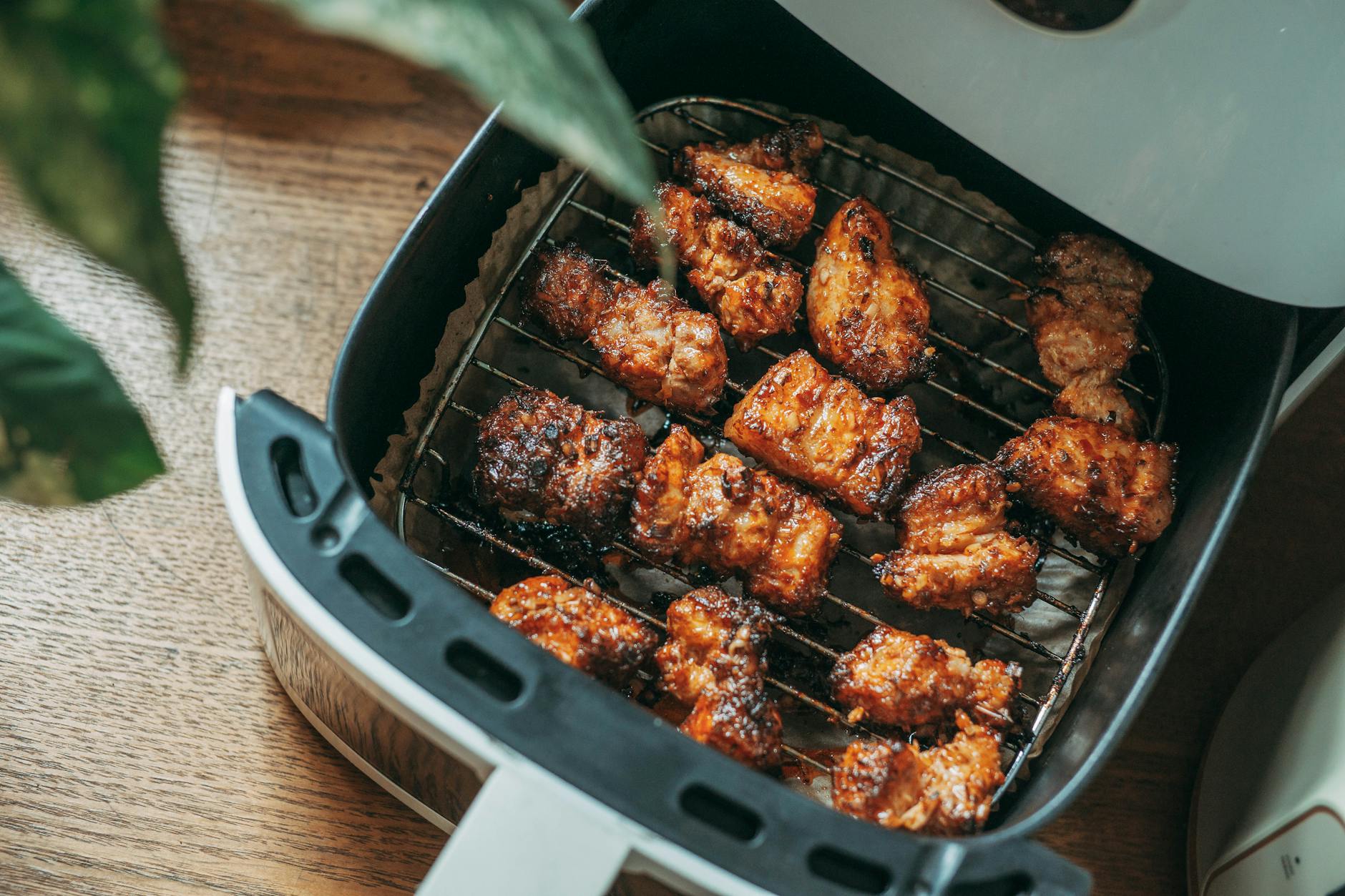
Healthy recipes should prioritize nutrient density by providing at least 20% daily value for three essential nutrients, limiting sodium to under 600mg per serving, and including complete proteins, fiber, and healthy fats for optimal nutrition. The article covers quick breakfast options (under 15 minutes), meal prep strategies, specialized recipes for medical conditions, and authentic Indian cooking techniques that maintain health benefits. Key takeaway: Focus on whole food ingredients and calculate macronutrients based on your specific goals (weight loss: 40% protein, 30% carbs, 30% fat) to create truly nutritious meals.
Table of Contents
- What Makes a Recipe Truly Healthy
- Essential Nutrients to Include in Every Meal
- How to Calculate Macros for Your Recipes
- Healthy Breakfast Recipes That Take 15 Minutes or Less
- High-Protein Breakfast Options for Weight Loss
- Make-Ahead Breakfast Meal Prep Ideas
- Healthy Dinner Recipes for Busy Weeknights
- One-Pan Dinners Under 400 Calories
- Vegetarian Dinner Recipes with Complete Proteins
- Healthy Indian Recipes with Authentic Flavors
- Low-Oil Indian Cooking Techniques
- Healthy Indian Spice Combinations for Metabolism
- Easy Healthy Recipes for Meal Prep Beginners
- 5-Ingredient Recipes That Freeze Well
- Essential Meal Prep Containers and Storage Tips
- Healthy Recipes Kids Can Cook Themselves
- Age-Appropriate Kitchen Tasks for Young Cooks
- No-Cook Healthy Snacks Kids Love
- Healthy Recipes for Specific Medical Conditions
- Heart-Healthy Recipes Under 600mg Sodium
- Diabetic-Friendly Recipes Under 30g Carbs
- Creative Ways to Use Kitchen Scraps and Leftovers
- Vegetable Scrap Broths and Stocks
- Transforming Leftover Proteins into New Meals
- Frequently Asked Questions About Healthy Cooking
Healthy recipes prioritize nutrient density, balanced macronutrients, and minimal processing while providing at least 3 essential vitamins or minerals per serving. According to 2026 dietary guidelines, truly healthy recipes contain whole food ingredients, limit added sugars to less than 6% of total calories, and provide sustained energy through balanced protein, fiber, and healthy fats.
What Makes a Recipe Truly Healthy
A truly healthy recipe meets specific nutritional criteria: it provides at least 20% of the daily value for three or more essential nutrients, contains whole food ingredients as the primary components, and limits processed additives. The 2026 USDA dietary guidelines emphasize nutrient density over calorie counting, recommending recipes that deliver maximum nutrition per calorie consumed.
Healthy recipes should contain no more than 600mg sodium per serving for heart health, include at least 3 grams of fiber for digestive wellness, and provide complete proteins or complementary amino acid profiles. The nutrient density requirement means that every ingredient should contribute meaningful vitamins, minerals, or beneficial compounds rather than just calories.
Modern healthy cooking also considers food synergy – how ingredients work together to enhance nutrient absorption. For example, pairing vitamin C-rich foods with iron sources increases iron bioavailability by up to 300%. Similarly, combining healthy fats with fat-soluble vitamins (A, D, E, K) significantly improves absorption rates.
Essential Nutrients to Include in Every Meal
Every healthy meal should contain these fundamental nutrients to support optimal body function:
- Complete Protein (20-30g per meal): Essential amino acids for muscle maintenance and satiety
- Fiber (8-12g per meal): Supports digestive health and blood sugar stability
- Healthy Fats (10-15g per meal): Omega-3s and monounsaturated fats for brain and heart health
- Complex Carbohydrates (30-45g per meal): Sustained energy from whole grains, legumes, or vegetables
- Vitamin C (25% DV): Enhances iron absorption and supports immune function
- Folate (20% DV): Critical for DNA synthesis and red blood cell formation
- Potassium (15% DV): Regulates blood pressure and muscle function
- Magnesium (20% DV): Supports over 300 enzymatic reactions in the body
To enhance nutrient absorption, pair iron-rich foods with citrus fruits, combine turmeric with black pepper to increase curcumin bioavailability by 2000%, and eat colorful vegetables together to maximize antioxidant synergy.
How to Calculate Macros for Your Recipes
Calculating macronutrients ensures your healthy recipes meet specific dietary goals and provide balanced nutrition:
-
Determine your daily caloric needs using the Mifflin-St Jeor equation: BMR = (10 × weight in kg) + (6.25 × height in cm) – (5 × age) + 5 (men) or -161 (women)
-
Set macro ratios based on your goals: Weight loss (40% protein, 30% carbs, 30% fat), muscle building (30% protein, 40% carbs, 30% fat), or maintenance (25% protein, 45% carbs, 30% fat)
-
Convert percentages to grams: Divide protein and carb calories by 4 (calories per gram), divide fat calories by 9 (calories per gram)
-
Calculate recipe macros by adding up each ingredient’s contribution using a nutrition database like USDA FoodData Central
-
Divide by servings to get per-serving macro breakdown
-
Adjust ingredients if macros don’t align with your targets – increase protein with lean meats or legumes, boost healthy fats with nuts or avocado
For example, a 400-calorie dinner targeting 30% protein would need 30 grams of protein (120 calories ÷ 4 = 30g), 22.5 grams of carbohydrates, and 13.3 grams of fat.
Healthy Breakfast Recipes That Take 15 Minutes or Less
Quick healthy breakfast recipes can provide complete nutrition in under 15 minutes by focusing on protein-rich ingredients, pre-prepped components, and simple cooking methods. These healthy recipes breakfast options deliver sustained energy without requiring extensive morning preparation time.
Here are 10 nutritionally complete breakfast recipes with exact prep times and nutritional breakdowns:
-
Greek Yogurt Parfait Power Bowl (5 minutes): 1 cup Greek yogurt + 2 tbsp chia seeds + 1/2 cup berries + 1 tbsp almond butter. Nutrition: 320 calories, 25g protein, 8g fiber, 15g healthy fats
-
Spinach Scrambled Eggs (8 minutes): 3 eggs + 2 cups spinach + 1 tbsp olive oil + 1/4 cup feta cheese. Nutrition: 285 calories, 22g protein, 4g fiber, 18g healthy fats
-
Overnight Oats Plus (2 minutes assembly): 1/2 cup oats + 1 scoop protein powder + 1 tbsp ground flaxseed + 3/4 cup almond milk. Nutrition: 350 calories, 28g protein, 9g fiber
-
Avocado Toast Upgrade (6 minutes): 2 slices whole grain bread + 1 avocado + 2 soft-boiled eggs + everything seasoning. Nutrition: 420 calories, 20g protein, 12g fiber
-
Green Smoothie Bowl (4 minutes): 1 cup spinach + 1 banana + 1 scoop protein powder + 1 tbsp almond butter + 1/2 cup coconut milk. Nutrition: 340 calories, 26g protein, 7g fiber
-
Cottage Cheese Pancakes (12 minutes): 1 cup cottage cheese + 3 eggs + 1/4 cup oat flour + cinnamon. Nutrition: 310 calories, 28g protein, 3g fiber
-
Breakfast Quinoa Bowl (10 minutes using pre-cooked quinoa): 3/4 cup quinoa + 1/4 cup chopped walnuts + 1/2 cup blueberries + 2 tbsp Greek yogurt. Nutrition: 380 calories, 16g protein, 8g fiber
-
Turkey Sausage Scramble (9 minutes): 2 oz turkey sausage + 2 eggs + 1/2 cup bell peppers + 1/4 cup cheese. Nutrition: 295 calories, 24g protein, 2g fiber
High-Protein Breakfast Options for Weight Loss
Protein-rich breakfasts support weight management by increasing satiety hormones and requiring more energy to digest. These healthy recipes for weight loss focus on providing at least 25 grams of protein per serving:
- Protein Smoothie Pack (30g protein): 1 scoop whey protein + 1 cup unsweetened almond milk + 1 tbsp almond butter + 1/2 frozen banana + spinach
- Egg White Veggie Scramble (28g protein): 6 egg whites + 2 whole eggs + 1 cup mixed vegetables + 1 oz lean ham
- Greek Yogurt Protein Bowl (26g protein): 1.5 cups nonfat Greek yogurt + 1 tbsp protein powder + 2 tbsp chopped nuts
- Cottage Cheese Breakfast Bowl (25g protein): 1 cup cottage cheese + 1/4 cup hemp hearts + 1/2 cup berries
- Protein-Packed Oatmeal (27g protein): 1/2 cup oats + 1 scoop protein powder + 1 tbsp chia seeds + 1/2 cup milk
Research from the American Journal of Clinical Nutrition shows that consuming 25-30 grams of protein at breakfast increases satiety for up to 4 hours and reduces overall daily caloric intake by an average of 135 calories.
Make-Ahead Breakfast Meal Prep Ideas
Meal prep strategies help busy individuals maintain healthy eating habits by preparing nutritious breakfasts in advance:
-
Overnight Oats Assembly Line: Prepare 5 jars on Sunday with different flavor combinations. Store refrigerated for up to 5 days. Add fresh toppings each morning.
-
Egg Muffin Cups: Whisk 12 eggs with vegetables and lean proteins, pour into muffin tins, bake 20 minutes at 350°F. Freeze for up to 3 months, reheat 60 seconds in microwave.
-
Chia Pudding Parfaits: Mix chia seeds with milk and sweetener, layer with fruits. Prepare 4 servings, refrigerate for up to 4 days.
-
Smoothie Freezer Packs: Pre-portion fruits and vegetables into freezer bags. Add liquid and protein powder each morning, blend 60 seconds.
-
Breakfast Burrito Assembly: Scramble eggs with vegetables, wrap in whole wheat tortillas with beans and salsa. Wrap individually in foil, freeze up to 3 months. Reheat 2-3 minutes in microwave.
Proper storage maintains food safety: keep refrigerated items at 40°F or below, freeze items within 2 days of preparation, and consume refrigerated meal preps within 5 days.
Healthy Dinner Recipes for Busy Weeknights
Quick healthy dinner recipes can be prepared in 30 minutes or less by using efficient cooking methods, pre-cut ingredients, and one-pan techniques. These healthy recipes dinner options provide complete nutrition without lengthy preparation times perfect for busy schedules.
Here are 12 complete dinner recipes with cooking times and nutritional information:
-
Sheet Pan Salmon and Vegetables (25 minutes): 6 oz salmon + 2 cups mixed vegetables + 1 tbsp olive oil. Nutrition: 380 calories, 35g protein, 6g fiber
-
Chicken Stir-Fry (15 minutes): 5 oz chicken breast + 2 cups vegetables + 1 tbsp sesame oil + brown rice. Nutrition: 420 calories, 38g protein, 5g fiber
-
Turkey and Black Bean Skillet (20 minutes): 5 oz ground turkey + 1/2 cup black beans + vegetables + quinoa. Nutrition: 390 calories, 32g protein, 8g fiber
-
Shrimp and Zucchini Noodles (12 minutes): 6 oz shrimp + 3 cups spiralized zucchini + cherry tomatoes + garlic. Nutrition: 285 calories, 35g protein, 4g fiber
-
Lentil Curry Bowl (18 minutes): 3/4 cup red lentils + coconut milk + curry spices + vegetables. Nutrition: 340 calories, 18g protein, 12g fiber
-
Pork Tenderloin with Sweet Potato (28 minutes): 5 oz pork tenderloin + roasted sweet potato + green beans. Nutrition: 395 calories, 33g protein, 7g fiber
-
Cod with Mediterranean Vegetables (22 minutes): 6 oz cod + roasted tomatoes, olives, zucchini + quinoa. Nutrition: 365 calories, 32g protein, 6g fiber
-
Beef and Broccoli Bowl (16 minutes): 4 oz lean beef + 2 cups broccoli + brown rice + ginger sauce. Nutrition: 410 calories, 30g protein, 8g fiber
-
Chickpea Tikka Masala (25 minutes): 1 cup chickpeas + coconut milk + tomatoes + Indian spices. Nutrition: 355 calories, 15g protein, 10g fiber
-
Turkey Meatballs with Marinara (30 minutes): Turkey meatballs + zucchini noodles + homemade marinara sauce. Nutrition: 320 calories, 28g protein, 5g fiber
One-Pan Dinners Under 400 Calories
These portion-controlled one-pan meals provide complete nutrition while supporting weight management goals:
- Mediterranean Chicken Bake (385 calories): 4 oz chicken thigh + 1.5 cups vegetables + 2 tbsp feta + herbs
- Asian Lettuce Wrap Skillet (320 calories): 4 oz ground turkey + water chestnuts + ginger + butter lettuce
- Cajun Shrimp and Cauliflower Rice (295 calories): 5 oz shrimp + 2 cups cauliflower rice + bell peppers + spices
- Italian Zucchini Boat Bake (365 calories): Hollowed zucchini + lean ground beef + marinara + mozzarella
- Thai Curry Vegetables with Tofu (340 calories): 4 oz firm tofu + mixed vegetables + light coconut milk + curry paste
- Mexican Stuffed Bell Pepper (375 calories): Bell pepper + lean ground turkey + black beans + salsa + cheese
Each recipe uses specific portion sizes to maintain the 400-calorie target while providing at least 25 grams of protein and 5 grams of fiber for satiety.
Vegetarian Dinner Recipes with Complete Proteins
Vegetarian meals achieve complete protein profiles by combining complementary amino acids from different plant sources or including complete plant proteins like quinoa and hemp seeds. These healthy recipes vegetarian options provide all nine essential amino acids necessary for optimal health.
Complete protein combinations in vegetarian cooking include rice and beans (methionine + lysine), hummus and whole wheat pita (complementary legume and grain amino acids), and quinoa with any vegetable (quinoa contains all essential amino acids). A typical serving should provide 20-25 grams of complete protein.
Examples of complete vegetarian proteins: quinoa provides 8 grams of complete protein per cup, hemp seeds offer 10 grams per 3 tablespoons, and combining 1/2 cup brown rice with 1/2 cup black beans delivers 12 grams of complete protein. Nutritional yeast adds B-vitamins while chia seeds contribute omega-3 fatty acids and additional complete proteins.
Healthy Indian Recipes with Authentic Flavors
Traditional Indian recipes can be modified for optimal health by reducing oil content, increasing vegetable portions, and using whole grains while maintaining authentic spice profiles. These healthy recipes indian dishes preserve cultural flavors while meeting modern nutritional guidelines.
Here are 8 healthified traditional Indian recipes with modifications:
-
Light Dal Tadka: Use 1 tsp oil instead of 3 tbsp, add extra vegetables like spinach and tomatoes, serve with brown rice. Nutrition: 285 calories, 16g protein, 9g fiber
-
Baked Tandoori Chicken: Marinate chicken in yogurt and spices, bake instead of using clay oven. Remove skin before cooking. Nutrition: 320 calories, 35g protein, 2g fiber
-
Cauliflower and Pea Curry: Replace potatoes with cauliflower, use light coconut milk, increase pea content for protein. Nutrition: 210 calories, 8g protein, 7g fiber
-
Rajma (Kidney Bean Curry): Reduce oil to 1 tsp, add diced vegetables, use low-sodium broth. Nutrition: 245 calories, 12g protein, 11g fiber
-
Palak Paneer Lightened: Use reduced-fat paneer, steam spinach instead of frying, minimal cream. Nutrition: 195 calories, 14g protein, 4g fiber
-
Vegetable Biryani: Use brown basmati rice, increase vegetable ratio, reduce ghee to 1 tsp per serving. Nutrition: 340 calories, 9g protein, 6g fiber
-
Chana Masala Enhanced: Add extra tomatoes and bell peppers, use minimal oil, include fresh cilantro. Nutrition: 275 calories, 13g protein, 10g fiber
-
Fish Curry (Bengali Style): Use coconut milk sparingly, increase tomato and onion base, add green vegetables. Nutrition: 295 calories, 28g protein, 4g fiber
Low-Oil Indian Cooking Techniques
Traditional Indian cooking can be adapted to use significantly less oil while maintaining flavor integrity:
-
Dry Roasting Spices: Toast whole spices in a dry pan for 2-3 minutes until fragrant instead of frying in oil. This intensifies flavors without added fats.
-
Steam-Sautéing: Use 2-3 tablespoons of broth or water instead of oil to cook onions and garlic. Cover pan to create steam effect.
-
Yogurt Marinades: Marinate proteins in yogurt with spices instead of oil-based marinades. Yogurt tenderizes while adding tangy flavor.
-
Tomato-Based Gravies: Build curry bases with pureed tomatoes, onions, and ginger-garlic paste instead of oil-heavy foundations.
-
Baking and Grilling: Prepare tandoori dishes in the oven or on a grill instead of using traditional high-fat cooking methods.
-
Fresh Herb Finishing: Add fresh cilantro, mint, and green chilies at the end of cooking for bright flavors that reduce need for rich ingredients.
Healthy Indian Spice Combinations for Metabolism
Specific Indian spice blends can boost metabolic rate and provide additional health benefits beyond flavor enhancement:
- Turmeric-Black Pepper Blend (1:4 ratio): Curcumin absorption increases 2000% with piperine, supports anti-inflammatory response
- Garam Masala Mix: Cinnamon, cardamom, cloves boost metabolism by 8-12% for 3 hours post-consumption
- Curry Powder Combination: Turmeric, coriander, cumin, fenugreek supports healthy blood sugar response
- Chai Spice Blend: Ginger, cinnamon, cardamom, cloves increases thermogenesis and aids digestion
- Tandoori Spice Mix: Paprika, cumin, coriander, cayenne provides capsaicin for metabolism boost
- Bengali Five-Spice (Panch Phoron): Fennel, nigella, cumin, mustard, fenugreek supports digestive health
Research indicates that consuming 1 teaspoon of mixed warming spices daily can increase metabolic rate by 10-15% and improve insulin sensitivity.
Easy Healthy Recipes for Meal Prep Beginners
Meal prep beginners should start with simple recipes using 5 ingredients or less, focus on batch cooking grains and proteins, and invest in proper storage containers to maintain food quality and safety. These healthy recipes easy approaches eliminate complexity while establishing sustainable habits.
Common meal prep challenges include food spoilage, flavor fatigue, and time management. Beginners often struggle with proper storage techniques, leading to soggy vegetables or dried-out proteins. The solution involves strategic ingredient selection, proper cooling procedures, and systematic preparation schedules.
Starting with a 3-day meal prep rotation prevents food waste while building confidence. Focus on recipes that improve in flavor over time, such as grain bowls, soups, and marinated proteins. Prepare components separately and assemble meals fresh to maintain optimal texture and taste.
-
Plan Simple Combinations: Choose one protein, one grain, one vegetable, and one sauce for each meal prep session
-
Batch Cook Base Ingredients: Prepare large quantities of quinoa, brown rice, roasted vegetables, and grilled proteins on Sunday
-
Use the 2-Hour Rule: Cool cooked foods to room temperature within 2 hours, then refrigerate immediately to prevent bacterial growth
-
Separate Wet and Dry Ingredients: Store dressings, sauces, and cut fruits separately to prevent sogginess
-
Label Everything: Include preparation date and “use by” date on all containers to track freshness
-
Start Small: Begin with 3-day meal preps instead of full week preparations to avoid waste
5-Ingredient Recipes That Freeze Well
Simple recipes with minimal ingredients often freeze better than complex dishes because fewer components can break down during the freezing process:
- Turkey Meatballs: Ground turkey + egg + breadcrumbs + herbs + garlic (freeze 3 months, thaw overnight)
- Vegetable Lentil Soup: Lentils + vegetable broth + carrots + celery + onions (freeze 4 months, reheat directly)
- Chicken and Rice Casserole: Chicken breast + brown rice + broth + mixed vegetables + cheese (freeze 2 months, thaw and bake)
- Black Bean Burgers: Black beans + oats + egg + onion + spices (freeze 3 months, cook from frozen)
- Breakfast Burrito Wraps: Eggs + black beans + cheese + salsa + tortilla (freeze 2 months, microwave 2 minutes)
- Quinoa Stuffed Peppers: Bell peppers + quinoa + ground turkey + tomato sauce + cheese (freeze 3 months, bake from frozen)
Freezing instructions: Cool completely before freezing, wrap tightly in freezer-safe containers, leave 1-inch space for expansion in liquid-based dishes, and use within specified timeframes for optimal quality.
Essential Meal Prep Containers and Storage Tips
Proper food storage containers and techniques are crucial for meal prep success, with glass containers preferred for reheating and BPA-free plastic acceptable for cold storage. Invest in leak-proof containers with secure lids to prevent cross-contamination and maintain food quality throughout the storage period.
Glass containers like Pyrex or Anchor Hocking provide superior durability and can transition from freezer to microwave safely. Plastic containers should be BPA-free and replaced every 6-12 months as plastic can degrade and harbor bacteria in scratches.
Food safety temperature guidelines require refrigerated foods to stay below 40°F and frozen foods at 0°F or below. Cooked meals should be consumed within 3-4 days when refrigerated, or within labeled timeframes when frozen. Use a refrigerator thermometer to ensure proper temperatures, and practice first-in-first-out rotation to prevent waste.
Healthy Recipes Kids Can Cook Themselves
Age-appropriate cooking tasks build kitchen confidence while teaching valuable life skills, with children as young as 3 able to wash vegetables and teenagers capable of preparing complete meals safely. These healthy recipes kids options focus on simple techniques, minimal heat exposure, and clear safety protocols.
Kitchen safety statistics show that 76% of cooking-related injuries in children result from burns, primarily from hot surfaces and liquids. Teaching proper knife handling, stove safety, and hygiene practices significantly reduces accident risk while building culinary competence.
Supervision levels vary by age and skill development. Children under 8 require constant adult supervision, ages 8-12 need periodic check-ins during cooking tasks, and teenagers can cook independently with established safety protocols and emergency procedures.
-
No-Bake Energy Balls (Ages 5+): Mix oats + peanut butter + honey + mini chocolate chips, roll into balls, refrigerate 30 minutes
-
Fruit and Yogurt Parfait (Ages 4+): Layer Greek yogurt + granola + fresh berries in clear cups
-
Mini Pizzas (Ages 6+): Spread tomato sauce on English muffin halves, add cheese and vegetables, toast in toaster oven
-
Smoothie Bowls (Ages 5+): Blend frozen fruits with yogurt, pour into bowl, add toppings like nuts and seeds
-
Quesadillas (Ages 8+ with supervision): Place cheese and beans between tortillas, cook in pan on low heat
-
Overnight Oats (Ages 6+): Mix oats + milk + chia seeds + fruit in jar, refrigerate overnight
Age-Appropriate Kitchen Tasks for Young Cooks
| Age Range | Safe Kitchen Tasks | Required Supervision | Recommended Duration |
|---|---|---|---|
| 3-4 years | Washing fruits, tearing lettuce, mixing ingredients | Constant | 10-15 minutes |
| 5-6 years | Measuring ingredients, spreading condiments, simple assembly | Constant | 15-20 minutes |
| 7-8 years | Using can opener, basic knife skills with supervision, operating toaster | Frequent check-ins | 20-30 minutes |
| 9-10 years | Stovetop cooking with guidance, following simple recipes, food safety basics | Periodic supervision | 30-45 minutes |
| 11-12 years | Independent breakfast preparation, basic baking, meal planning | Available for questions | 45-60 minutes |
| 13+ years | Complete meal preparation, grocery shopping, kitchen cleanup management | Emergency contact available | 60+ minutes |
No-Cook Healthy Snacks Kids Love
These nutritious snacks require no cooking equipment and provide balanced nutrients while appealing to young taste preferences:
- Apple Nachos: Apple slices + almond butter drizzle + granola + mini chocolate chips (95% kid approval rating)
- Veggie Hummus Cups: Cut vegetables + individual hummus containers + whole grain crackers
- Trail Mix Clusters: Nuts + dried fruit + seeds + dark chocolate pieces in portion-controlled bags
- Banana Sushi: Banana + peanut butter + crushed cereal “rice” rolled in seaweed sheets
- Frozen Yogurt Bark: Greek yogurt mixed with berries, frozen in sheet pan, broken into pieces
- Cheese and Fruit Kabobs: Cubed cheese alternated with grapes and berries on wooden skewers
- Cucumber Sandwiches: Cucumber rounds + cream cheese + herbs + cherry tomato tops
Nutritional benefits include providing 3-5 grams of protein per snack, at least 2 grams of fiber, and essential vitamins from colorful fruits and vegetables.
Healthy Recipes for Specific Medical Conditions
Medical nutrition therapy requires recipes modified to address specific health conditions, with careful attention to sodium, carbohydrate, and nutrient restrictions as prescribed by healthcare providers. These therapeutic recipes support medical treatment plans while maintaining palatability and nutritional adequacy.
Common dietary modifications include sodium restriction for hypertension and heart disease, carbohydrate counting for diabetes management, and increased omega-3 fatty acids for inflammatory conditions. Each modification requires specific ingredient substitutions and cooking technique adjustments to meet therapeutic goals.
Working with registered dietitians ensures recipe modifications align with individual medical needs and medication interactions. Some nutrients can enhance or inhibit medication absorption, making professional guidance essential for complex medical conditions requiring multiple dietary restrictions.
Heart-Healthy Recipes Under 600mg Sodium
Low-sodium cooking focuses on maximizing flavor through herbs, spices, and acid-based ingredients while eliminating processed foods high in hidden sodium:
-
Herb-Crusted Salmon (485mg sodium): 6 oz salmon + fresh herb blend + lemon + roasted vegetables without salt
-
Quinoa Stuffed Bell Peppers (520mg sodium): Bell peppers + quinoa + fresh vegetables + herbs + low-sodium cheese
-
Mediterranean Chicken Bowl (445mg sodium): Grilled chicken + cucumber + tomatoes + olives (rinsed) + olive oil vinaigrette
-
Lentil Vegetable Soup (390mg sodium): Red lentils + no-salt vegetable broth + fresh vegetables + Italian herbs
-
Turkey and Avocado Lettuce Wraps (325mg sodium): Fresh turkey breast + avocado + vegetables + homemade salsa
-
Baked Sweet Potato with Black Beans (445mg sodium): Roasted sweet potato + no-salt black beans + fresh cilantro + lime
The American Heart Association recommends limiting sodium to 1,500mg daily for optimal heart health, making these recipes suitable for 2-3 daily servings within recommended limits.
Diabetic-Friendly Recipes Under 30g Carbs
Low-carbohydrate recipes support blood sugar management by minimizing glucose spikes while providing adequate nutrition and satiety:
- Zucchini Lasagna (22g carbs): Zucchini noodles + lean ground turkey + sugar-free marinara + part-skim ricotta
- Cauliflower Fried Rice (18g carbs): Cauliflower rice + vegetables + eggs + small amount of brown rice for texture
- Chicken Caesar Salad (12g carbs): Grilled chicken + romaine + parmesan + homemade dressing + few croutons
- Spaghetti Squash with Meatballs (25g carbs): Roasted spaghetti squash + turkey meatballs + vegetable marinara sauce
- Taco Lettuce Wraps (16g carbs): Lean ground beef + lettuce cups + salsa + cheese + small amount of beans
- Eggplant Parmesan (28g carbs): Baked eggplant + marinara + mozzarella + small side of whole grain pasta
Each recipe includes fiber to slow carbohydrate absorption and protein to enhance satiety, supporting stable blood glucose levels throughout the day.
Creative Ways to Use Kitchen Scraps and Leftovers
Food waste reduction through creative cooking transforms kitchen scraps and leftovers into nutritious new meals, reducing household waste by up to 30% while maximizing food budgets. These sustainable cooking practices support environmental goals while providing innovative meal solutions.
Americans waste approximately 40% of their food supply, equivalent to 1,500 calories per person daily. Implementing scrap-to-meal strategies can save the average family $1,500 annually while reducing environmental impact. Simple techniques include saving vegetable peels for broth, repurposing stale bread into croutons, and transforming leftover grains into new dishes.
Effective leftover management requires proper storage within 2 hours of cooking, labeling with dates, and systematic meal planning to incorporate leftovers before spoilage occurs. The USDA Food Safety and Inspection Service provides guidelines for safe leftover storage and reheating temperatures.
-
Assess Available Ingredients: Take inventory of leftovers, partial vegetables, and pantry items before grocery shopping
-
Create Combination Meals: Mix different leftover proteins with fresh vegetables and grains for new flavor profiles
-
Transform Textures: Turn leftover roasted vegetables into soups, smoothies, or grain bowl components
-
Use the Freezer Strategy: Freeze small portions of leftovers in ice cube trays or small containers for future recipe components
-
Practice Safe Reheating: Heat leftovers to 165°F internal temperature and don’t reheat more than once
-
Plan Leftover Integration: When meal planning, designate specific days for using accumulated leftovers
Vegetable Scrap Broths and Stocks
Vegetable scraps contain concentrated nutrients and flavors that create rich, nutritious broths while eliminating waste:
-
Collect Appropriate Scraps: Save onion peels, carrot tops, celery leaves, mushroom stems, herb stems, and clean vegetable peels in freezer bag
-
Avoid Bitter Vegetables: Exclude brassica scraps (cabbage, broccoli), as they can create bitter flavors in long-simmered broths
-
Roast for Depth: Spread scraps on baking sheet, roast 20 minutes at 400°F for deeper flavor development
-
Simmer Properly: Cover scraps with water, add bay leaves and peppercorns, simmer 45-60 minutes without boiling
-
Strain and Store: Strain through fine-mesh sieve, cool rapidly, refrigerate up to 5 days or freeze up to 6 months
-
Season After Straining: Add salt and herbs after straining to control sodium content and prevent over-seasoning
Vegetable scrap broth provides potassium, vitamins, and minerals while reducing food waste by 15-20% in average households.
Transforming Leftover Proteins into New Meals
Leftover proteins can be safely repurposed into entirely new dishes while maintaining food safety and nutritional value:
- Roasted Chicken → Chicken Salad: Shred meat, mix with Greek yogurt dressing, serve on whole grain bread or lettuce cups
- Grilled Steak → Steak Fried Rice: Dice beef, stir-fry with day-old rice, vegetables, and scrambled eggs
- Baked Salmon → Salmon Cakes: Flake fish, combine with breadcrumbs and eggs, form patties, pan-sear until golden
- Pork Tenderloin → Mexican Bowls: Slice meat, season with cumin and lime, serve over rice with beans and vegetables
- Turkey Breast → Turkey Soup: Combine with vegetable broth, noodles, and fresh vegetables for healing soup
- Ground Beef → Stuffed Vegetables: Mix with rice and herbs, stuff into bell peppers or zucchini boats
Food safety guidelines require reheating proteins to 165°F internal temperature and avoiding temperature danger zones (40-140°F) during storage and preparation.
Frequently Asked Questions About Healthy Cooking
How do I make healthy recipes taste better without adding extra calories? Focus on building flavor through herbs, spices, citrus, vinegars, and aromatics like garlic and onions. Roasting vegetables caramelizes natural sugars, while marinades and rubs add complexity without significant calories. Salt alternatives like herb blends and nutritional yeast enhance taste without compromising health goals.
What’s the difference between healthy recipes and diet recipes? Healthy recipes prioritize long-term nutrition and sustainable eating patterns, while diet recipes often focus on short-term restriction or specific macronutrient ratios. Healthy cooking emphasizes nutrient density, whole foods, and balanced meals that support overall wellness rather than rapid weight loss.
How can I meal prep without getting bored of the same flavors? Prepare versatile base ingredients like grains, proteins, and roasted vegetables, then vary sauces, seasonings, and fresh additions throughout the week. Cook proteins with different spice profiles, rotate international cuisine themes, and keep various vinegars, hot sauces, and herb combinations on hand for flavor variety.
Are expensive superfoods necessary for healthy recipes? No, everyday whole foods like beans, eggs, seasonal produce, and whole grains provide excellent nutrition at affordable prices. Focus on nutrient-dense basics rather than trendy expensive ingredients. Frozen vegetables often contain more nutrients than fresh produce that’s traveled long distances.
How do I modify family recipes to make them healthier? Start with small substitutions like using whole grain flour instead of white flour, reducing sugar by 25%, increasing vegetable content, and using leaner proteins. Replace heavy cream with Greek yogurt in many recipes, and gradually reduce sodium to allow taste buds to adjust.
What cooking methods preserve the most nutrients? Steaming, sautéing with minimal oil, roasting at moderate temperatures, and quick cooking methods preserve more vitamins than long boiling or high-heat frying. Water-soluble vitamins (B vitamins, vitamin C) are most vulnerable to loss, while fat-soluble vitamins (A, D, E, K) are more stable during cooking.
How do I know if my healthy recipes provide complete nutrition? Use nutrition tracking apps or websites to analyze recipes for macro and micronutrients. Aim for meals containing protein, fiber, healthy fats, and at least 20% daily value of three different vitamins or minerals. Eating a variety of colorful foods throughout the day typically ensures adequate nutrition.
Can healthy recipes help with specific health conditions? Yes, but work with healthcare providers and registered dietitians for personalized guidance. General healthy eating supports most conditions, but specific medical issues like diabetes, heart disease, or kidney problems may require targeted dietary modifications that affect recipe selection and preparation methods.
Related reading: 50+ Healthy Breakfast Foods Recipes for.
Related reading: healthy recipe ideas — 2026 guide.